


Technology safeguards food safety - detection of ochratoxin A in milk using acridine ester chemiluminescence method
Release time:
2026-02-16
In today's society, food safety issues are receiving increasing attention from people. Among them, fungal toxin contamination is one of the important factors affecting food quality and safety, especially ochratoxin A (OTA), a secondary metabolite produced by certain Aspergillus and Penicillium genera, which is widely present in grains, coffee beans, grapes and their products and can be transmitted to humans through the food chain. Long term intake may have serious impacts on human health. Therefore, it is particularly important to quickly and accurately detect the OTA content in food.
In recent years, with the development of biotechnology, automatic chemiluminescence immunoassay (CLIA) based on acridine ester magnetic microspheres has gradually become an efficient and reliable detection method. This method not only has the advantages of high sensitivity and strong specificity, but also is easy and fast to operate, making it very suitable for large-scale sample screening.
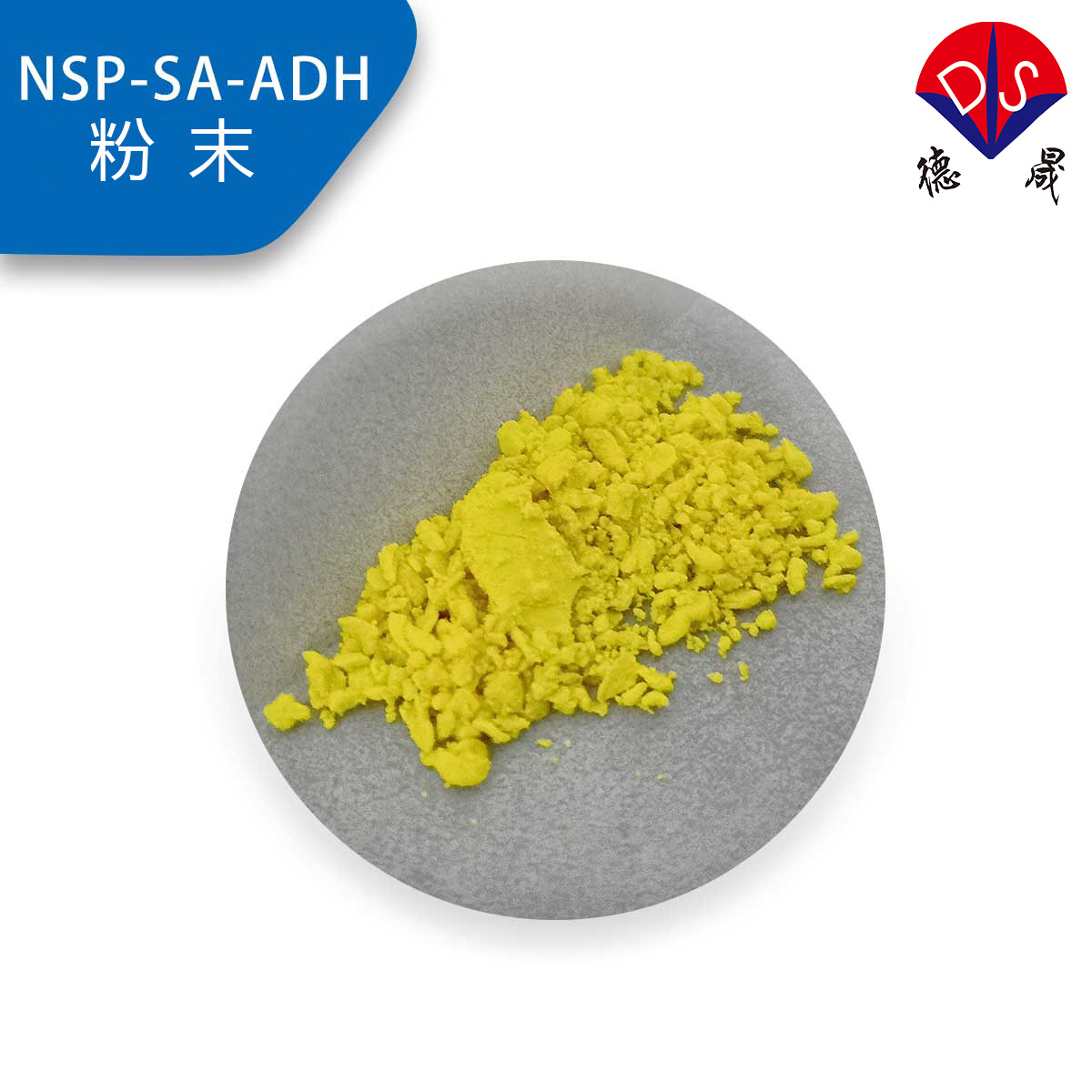
Core Technology Analysis
The core of this technology lies in the use of two key materials: magnetic microspheres and acridine ester markers.
Magnetic microsphere coupled secondary antibody: Specific antibodies are selected as recognition elements and fixed on the surface of magnetic nanoparticles to form stable complexes. When the target substance OTA is present, it will first bind to free antibodies and then be adsorbed onto pre treated magnetic microspheres.
Acridine ester labeled OTA-BSA conjugate: After covalently linking OTA with bovine serum albumin (BSA), it is labeled with acridine ester. The purpose of doing so is to increase its molecular weight and improve luminescence efficiency, while ensuring good water solubility and stability.
Optimize experimental conditions
In order to achieve better detection results, the research team systematically optimized multiple parameters:
Magnetic microsphere concentration: Reasonable selection of the number of magnetic microspheres can ensure sufficient capture ability without generating non-specific binding.
OTA antibody concentration: Adjusting the proportion of antibodies appropriately can help enhance signal strength and reduce background noise.
Acridine ester marker concentration: Accurately controlling the dosage of the marker is crucial for maintaining a high signal-to-noise ratio.
Dilution formula: Develop a dilution medium specifically for antibodies and markers to dissolve, disperse, and maintain their activity.
Reaction time: Determine the incubation period, neither too long nor too short, in order to fully complete the reaction process.
Sample pretreatment: Develop effective purification steps to eliminate interfering components and ensure that the test sample is in an ideal state.
Wide application prospects
Improved detection accuracy: Compared to traditional methods such as high-performance liquid chromatography (HPLC), CLIA exhibits higher sensitivity and lower detection limits.
Simplified operation process: The application of automated instruments greatly reduces manual intervention, lowers labor intensity, and improves work efficiency.
Expanding the scope of application: In addition to milk, this method is also applicable for OTA detection in various other matrices, including but not limited to fruit juice, wine, etc.
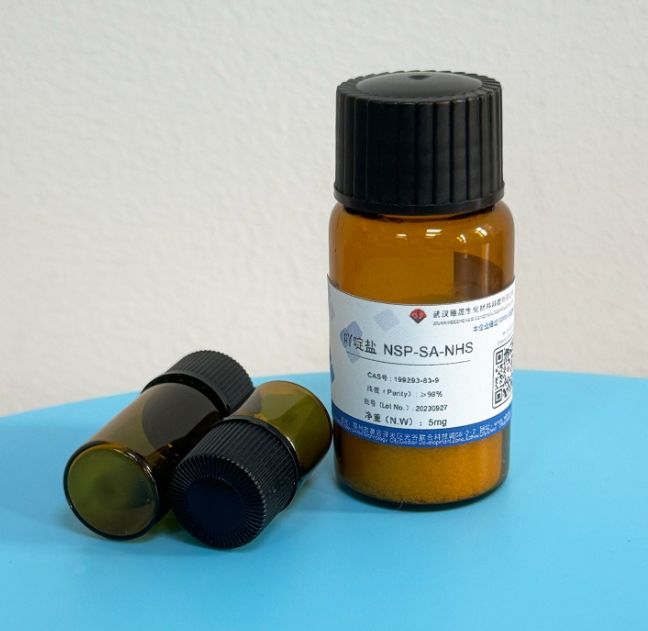
Product packaging
In summary, the automatic chemiluminescence immunoassay based on acridine ester magnetic microspheres has brought revolutionary changes to the field of food safety. It not only improves the monitoring level of harmful substances such as aflatoxin A, but also makes a positive contribution to safeguarding public health. We look forward to seeing more innovative technologies emerge in the future to jointly build a safer and more reliable food supply system.
Contact details
Contact number
Address: C8, Guanggu United Science and Technology City, Ezhou City, Hubei Province
Fax:0711-3704 589
Follow us
