


Should the buffer be sterilized? 90% of the experimenters ignored these factors
Release time:
2025-12-19
In modern life science research, biological buffering agents such as Tris, HEPES, MOPS have become frequent visitors in laboratories. Whether it is cell culture, molecular biology experiments, or protein analysis, these buffer systems are responsible for maintaining pH stability and ensuring a reaction environment. However, a long-standing problem that has plagued experimenters remains: does the prepared buffer solution need to be sterilized? High pressure sterilization, filtration sterilization, or direct use? The answer is not a one size fits all approach, but depends on a comprehensive consideration of the type of experiment, operating environment, and storage method.
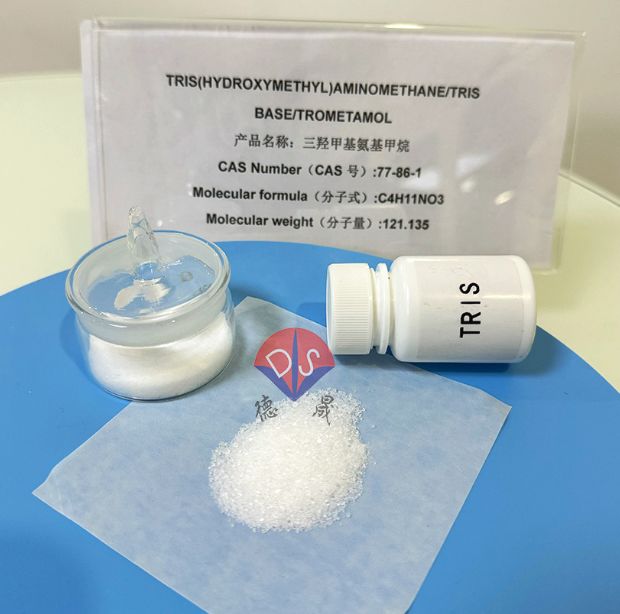
TRIS base
The original intention of sterilization: to prevent contamination and maintain stability
The original intention of buffer sterilization is to prevent microbial growth. Many buffering agents, such as Tris and HEPES, are rich in nitrogen sources, especially in complex buffer systems containing sugars or proteins, making them highly suitable as culture media for bacteria and fungi. Once contaminated, not only will it change the pH value of the solution, but it may also degrade the active ingredients and interfere with the experimental results. Therefore, sterilization is a necessary step to ensure the stability and safety of buffer solutions that require long-term storage or use in sterile systems, such as cell culture media and injection solutions.
Is sterilization really necessary in WB experiments?
Immunoassay techniques represented by Western blot (WB) widely use Tris HCl, MOPS, CAPS and other buffer solutions for electrophoresis, membrane transfer, and blocking steps. However, in such experiments, sterilization treatment is often not necessary.
The reason is that the WB experiment itself does not belong to the category of aseptic operation. The entire process, from sample preparation to electrophoresis, membrane transfer, and antibody incubation, is carried out in an open environment, and the operator's gloves, pipette, electrophoresis tank, etc. may introduce microorganisms. Even if the buffer is sterilized under high pressure, subsequent operations cannot avoid the risk of contamination. Therefore, sterilizing the buffer solution alone greatly reduces its "sterile" significance.
More importantly, the core of WB experiments is the separation and specific recognition of proteins, and the presence of microorganisms usually does not directly affect the electrophoretic migration or antibody binding of target proteins. As long as high-purity water and clean containers are used when preparing the buffer solution, and it is used up within a short period of time (such as 1-2 weeks), not sterilizing will not significantly affect the experimental results.
When is sterilization necessary? Key scenario solution
Although sterilization is not mandatory in some experiments, it is indispensable in the following scenarios:
1. Cell culture related experiments: such as cell lysis buffer, transfection reagent dilution, etc. Any microbial contamination may lead to cell death or experimental failure, and must be strictly sterile.
2. Long term storage of mother liquor: If the buffer solution needs to be prepared into mother liquor and stored for several months, sterilization can effectively prevent microbial growth and avoid errors caused by repeated preparation.
3. In vivo experiments or animal injections: Buffer solutions involving live operations must be sterile, otherwise they may cause infection.
4. High sensitivity detection: such as qPCR, single-cell analysis, etc., trace contamination may interfere with amplification or signal reading, and sterile operation is required throughout the process.

Product packaging
High quality buffering agents strengthen experimental reliability
Whether the buffer solution is sterilized is essentially a trade-off between risk and efficiency. But before making any decisions, more attention should be paid to the quality of the buffer itself. Only high-purity and low impurity raw materials can provide a reliable foundation for experiments. Hubei Xindesheng has always been committed to the research and production of high-quality biological buffering agents. Its Tris base, HEPES, MOPS and other products all use high-purity processes, strictly control impurity content, and are widely used in scientific research and diagnostic fields. Whether you choose sterilization or not, Desheng can provide you with stable and reliable support.
Contact details
Contact number
Address: C8, Guanggu United Science and Technology City, Ezhou City, Hubei Province
Fax:0711-3704 589
Follow us
