


Does acridine ester labeling always fail? Perhaps the key details of stability were not mastered
Release time:
2025-12-08
In the fields of chemiluminescence immunoassay, protein detection, and molecular diagnostics, acridine ester compounds have become mainstream chemiluminescence markers due to their high sensitivity, rapid luminescence, and no need for enzyme catalysis. However, in practical applications, the chemical stability of acridine esters often becomes a key factor affecting experimental reproducibility and detection accuracy. Especially when labeling proteins containing specific functional groups (such as thiol groups), improper operation or reagent selection can easily lead to labeling failure or signal attenuation. This article will analyze the hydrolysis mechanism, structural optimization, and labeling adaptability of acridine esters, and introduce practical strategies to improve the success rate of labeling.
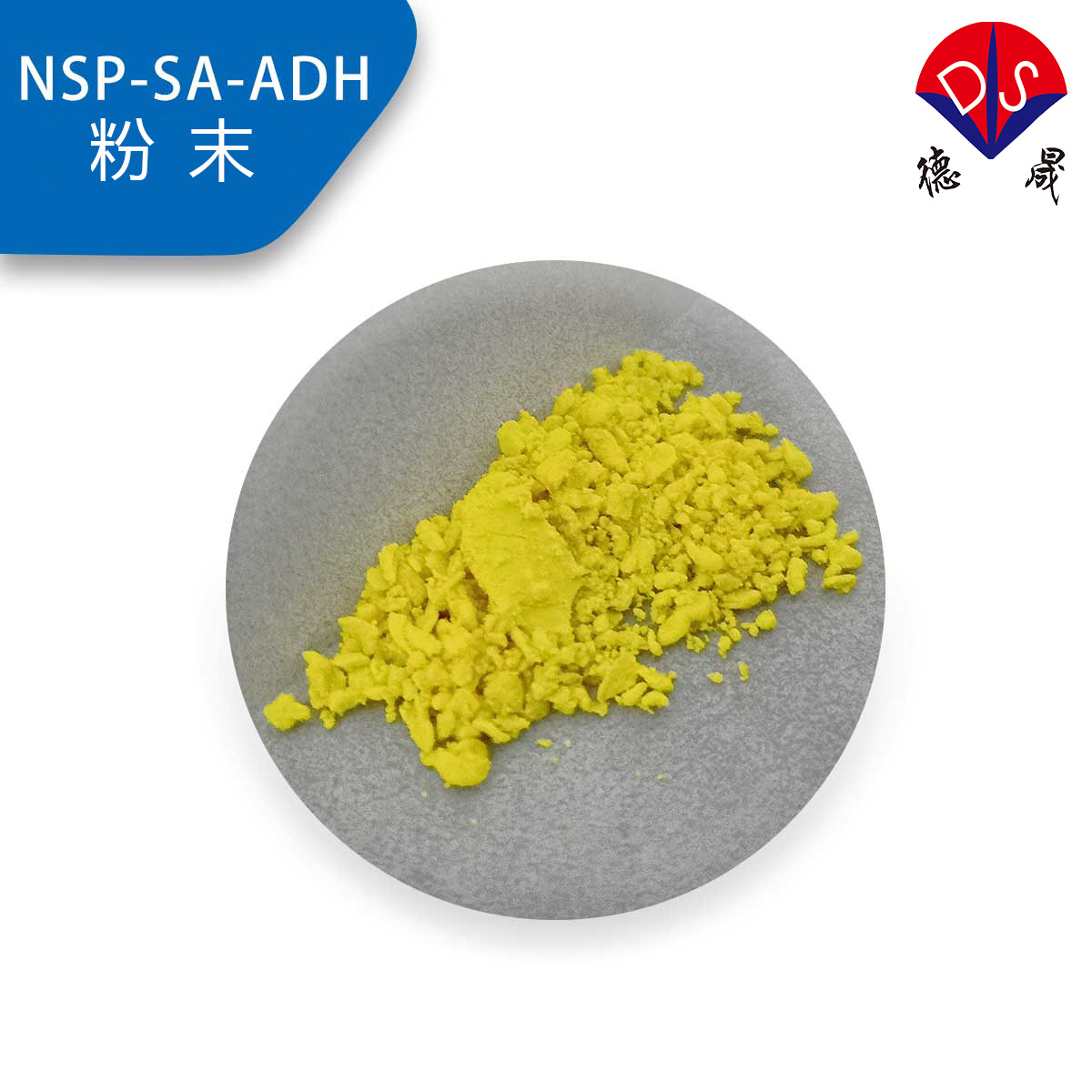
Acridine esters are highly sensitive to moisture, and solvent selection is crucial
Acridine succinimide ester (i.e. acridine NHS ester) is currently a commonly used active labeling form, and its NHS group can efficiently couple with primary amino groups in proteins. However, this structure is extremely sensitive to water - even trace amounts of water can trigger hydrolysis reactions, converting NHS esters into inactive carboxylic acid forms and losing their labeling ability. Therefore, when dissolving acridine esters, strictly anhydrous non proton solvents such as anhydrous DMF or DMSO must be used. Any aqueous solvent or operating environment with high humidity may cause partial deactivation of the reagent within minutes.
In addition, unused acridine esters should be dried, sealed, and stored in the dark at -20 ℃ to extend their effective lifespan. Repeated freeze-thaw cycles or exposure to room temperature air can accelerate its degradation.
Different substrates need to be matched with different acridine derivatives
Not all acridine reagents are activated by the NHS. For acridine carboxylic acids without NHS groups, additional condensing agents (such as EDCI/NHS systems) need to be added to react with protein primary amino groups, which is more complex and carries a higher risk of side reactions. Acrylamide hydrazide contains free amino groups and is suitable for direct coupling with molecules containing aldehyde groups, such as oxidized polysaccharides, nucleic acids, or glycoproteins. It is commonly used in specific types of biological coupling scenarios.
Therefore, before selecting acridine labeling reagents, it is necessary to clarify the functional group type of the target molecule to match suitable derivatives and avoid low labeling efficiency due to mismatched reaction mechanisms.
Potential impact of thiol groups on the stability of acridine esters
It is worth noting that according to the actual feedback from Desheng customers, when the target protein contains free thiol groups (- SH), even under standard labeling conditions, it may cause non-specific hydrolysis or side reactions of acridine esters, resulting in a significant reduction or even failure of the final luminescence signal. This may be related to the nucleophilicity of thiol groups, and if necessary, risks can be avoided by blocking thiol groups or changing labeling sites.

Conclusion: Choose stable and reliable acridine ester products
If you are looking for highly stable and active chemiluminescence labeling reagents, Hubei Xindesheng Material Technology Co., Ltd. offers a variety of structurally optimized acridine ester series (including DMAE-NHS, NSP-DMAE-NHS, acridine hydrazide, etc.), all of which have undergone strict quality control and are suitable for labeling various biomolecules such as proteins, antibodies, and nucleic acids. The product exhibits excellent performance in terms of hydrolysis resistance, luminescence intensity, and batch consistency. Welcome to visit the official website of Desheng or contact technical support for detailed product information and customized solutions.
News

Contact details
Contact number
Address: C8, Guanggu United Science and Technology City, Ezhou City, Hubei Province
Fax:0711-3704 589
Follow us