


How does pH value affect antibody performance? Analyzing the key role of buffering agents in immune testing
Release time:
2025-12-09
In the immunoassay laboratory, researchers not only focus on antibody potency and detection method sensitivity, but also need to pay attention to a fundamental element: antibodies need to be in a suitable pH environment to fully exert their performance. As a protein molecule with biological activity, the function of antibodies is closely related to the acidity or alkalinity of the surrounding environment. Just as living organisms require a suitable living environment, antibodies can only demonstrate their ability to accurately recognize antigens at an appropriate pH value. A deep understanding of the mechanism by which pH affects antibody function is an important foundation for ensuring the reliability of immune test results.
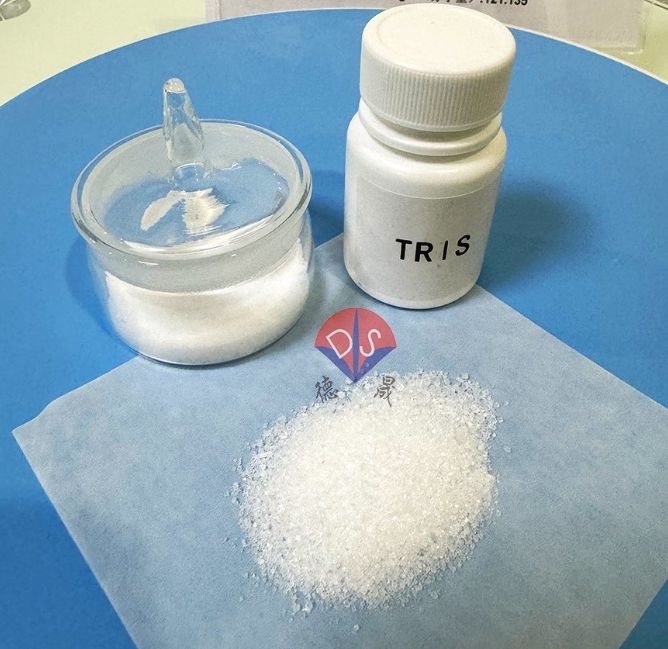
1、 The amphiphilic properties of proteins: pH regulates the charged state of antibodies
As a zwitterionic electrolyte molecule, antibodies have a large number of ionizable amino and carboxyl groups distributed on their surface. These functional groups exhibit different charge characteristics in different pH environments: in acidic environments, antibody molecules are positively charged; In alkaline environments, it carries a negative charge. Each antibody has a specific isoelectric point (pI), which is the pH value at which the molecular net charge is zero. When the environmental pH approaches pI, the electrostatic repulsion between antibody molecules weakens, and aggregation precipitation may occur.
2、 Maintenance of three-dimensional conformation: pH regulation of antibody spatial structure
The biological function of antibodies depends on their three-dimensional spatial structure, and the stability of this structure is closely related to pH value. Under suitable pH conditions, antibody molecules maintain their spatial conformation through hydrogen bonding, hydrophobic interactions, and electrostatic interactions, ensuring the correct spatial orientation of antigen binding sites. When the pH deviates from the appropriate range, these intermolecular forces will undergo corresponding changes, thereby affecting the conformation of the antibody.
Extreme pH environments may cause structural changes in antibodies: over acidic conditions can affect the stability of asparagine and glutamine residues; Excessive alkaline conditions may cause chemical changes in cysteine residues. Even relatively mild pH changes, although not causing significant denaturation, may affect antibody affinity. Experimental data shows that a moderate shift in pH value will have a visible impact on the antibody antigen binding constant. This change requires special attention in routine immune testing as it can affect the sensitivity of the detection.
3、 Reliability of Experimental Results: Precautions for pH Fluctuations
In practical applications, improper pH regulation of buffer solutions may bring a series of experimental challenges. A common manifestation is the change in signal intensity detected, which is usually related to the regulation of antibody activity. More attention should be paid to the possible changes in non-specific binding. When the pH deviates from the appropriate range, the probability of cross reactivity between antibodies and other non target proteins may increase, which is related to the background signal intensity and the specificity of the results.
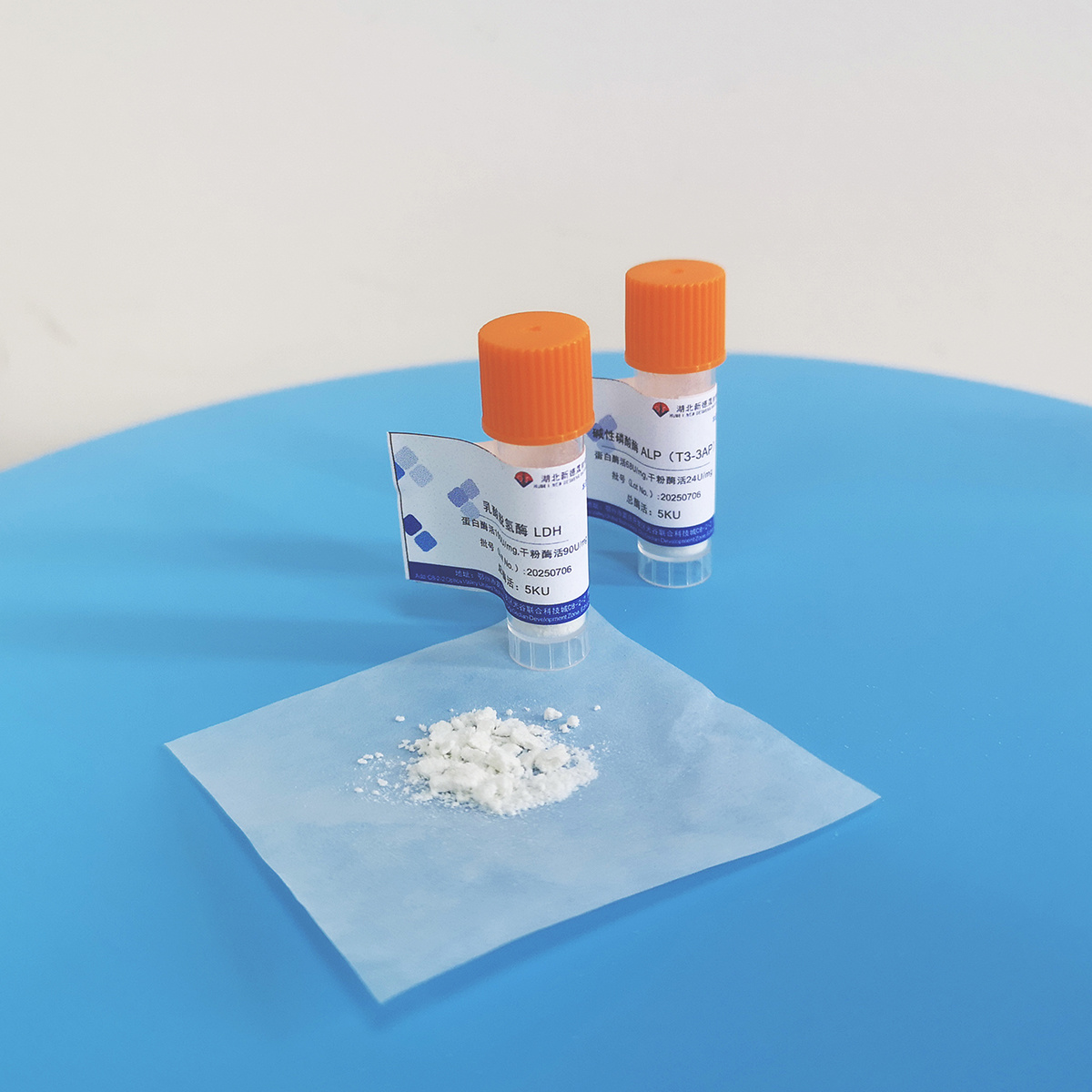
4、 Desheng provides you with professional and reliable biological buffer products
The appropriate regulation of buffer pH is a key factor affecting the quality of experiments in the pursuit of reliable immune detection results. The biological buffer products developed and produced by Hubei Xindesheng include Tris, PBS, HEPES, etc., which can be used in immunoassay, in vitro diagnostic reagent preparation and other scenarios. All products have undergone strict quality inspection to ensure pH accuracy and inter batch consistency. Choose Xindesheng to enable immune reactions to occur in an appropriate pH environment, providing stable support for your scientific research and diagnostic work.
Contact details
Contact number
Address: C8, Guanggu United Science and Technology City, Ezhou City, Hubei Province
Fax:0711-3704 589
Follow us
