


D-LDH and L-LDH are not the same enzyme, in-depth analysis of their different roles in diagnosis
Release time:
2025-12-14
In the field of in vitro diagnostics, lactate dehydrogenase (LDH) is a well-known key enzyme in glycolysis, involved in the reversible conversion between pyruvate and lactate. However, with the refined development of detection technology, more and more practitioners are paying attention to a key question: are D-LDH and L-LDH the same substance? What is the difference between them? What testing items are they applied to separately? In fact, D-LDH and L-LDH not only have completely different substrate specificity, but also play completely different roles in clinical diagnosis.

LDH
D-LDH and L-LDH: Different structures, opposite catalytic directions
Despite their similar names, D-LDH and L-LDH are not the same enzyme, but two dehydrogenases with different stereoselectivity. There are significant differences between the two in terms of amino acid sequence, spatial conformation, and substrate binding sites, and they must be strictly distinguished and used according to the detection target.
L-LDH is a traditional lactate dehydrogenase widely present in human tissues, mainly catalyzing the oxidation of L-lactic acid to pyruvate and reducing NAD ⁺ to NADH. It is a common enzyme in routine biochemical testing, widely used in detection systems such as liver function and myocardial enzyme spectrum.
D-LDH specifically recognizes D-lactic acid and catalyzes the oxidation of D-lactic acid to pyruvic acid, accompanied by the conversion of NAD ⁺ to NADH. D-lactic acid is not the main product of normal human metabolism, and its source is often related to abnormal fermentation of intestinal microbiota. Therefore, the application scenarios of D-LDH are different from those of L-LDH, mainly used for the detection of specific pathological states.
Application of L-LDH: Routine Metabolism and Organ Function Evaluation
L-LDH is one of the core enzymes in routine clinical testing and is widely used in various reagent kits
Alanine aminotransferase (ALT) detection kit: As a coupling enzyme, L-LDH catalyzes the reduction of pyruvate to L-lactic acid. ALT activity is indirectly measured by monitoring NADH consumption rate to evaluate liver cell damage.
Lactic acid detection kit: used to detect the level of L-lactic acid in blood or body fluids, assisting in the diagnosis of lactic acidosis, hypoxic shock, mitochondrial diseases, etc.
Myocardial enzyme spectrum detection: An increase in total LDH (mainly L-LDH) activity can indicate myocardial, liver, or skeletal muscle injury. Although not as specific as CK-MB or troponin, it still has reference value.
Application of D-LDH: Identifying Abnormal D-Lactic Acid Metabolism
The application of D-LDH focuses on screening for specific pathological conditions, especially playing a key role in the diagnosis of intestinal dysfunction related diseases:
D-Lactic Acid Detection Kit: Used for quantitative detection of D-lactic acid concentration in serum, cerebrospinal fluid, or feces. When patients have short bowel syndrome, small intestinal bacterial overgrowth (SIBO), or dysbiosis of the gut microbiota, anaerobic bacteria can ferment carbohydrates in large quantities to produce D-lactic acid. Due to the lack of an effective enzyme system for metabolizing D-lactate in the human body, its accumulation can lead to "D-lactic acidosis", manifested as neurological symptoms such as blurred consciousness and ataxia. D-LDH has become an irreplaceable tool for this detection due to its high specificity for D-lactate.
Intestinal microbiota assessment: Some studies have used D-lactate levels as an indirect indicator of intestinal barrier function and microbial metabolic activity, and D-LDH is gradually being promoted in related scientific research and clinical testing.
Although D-LDH and L-LDH have similar names, their functions are completely different and their application scenarios are completely different. Confused use may lead to misdiagnosis or detection failure. Choosing enzyme raw materials with clear specificity and high stability is the foundation for ensuring detection accuracy.
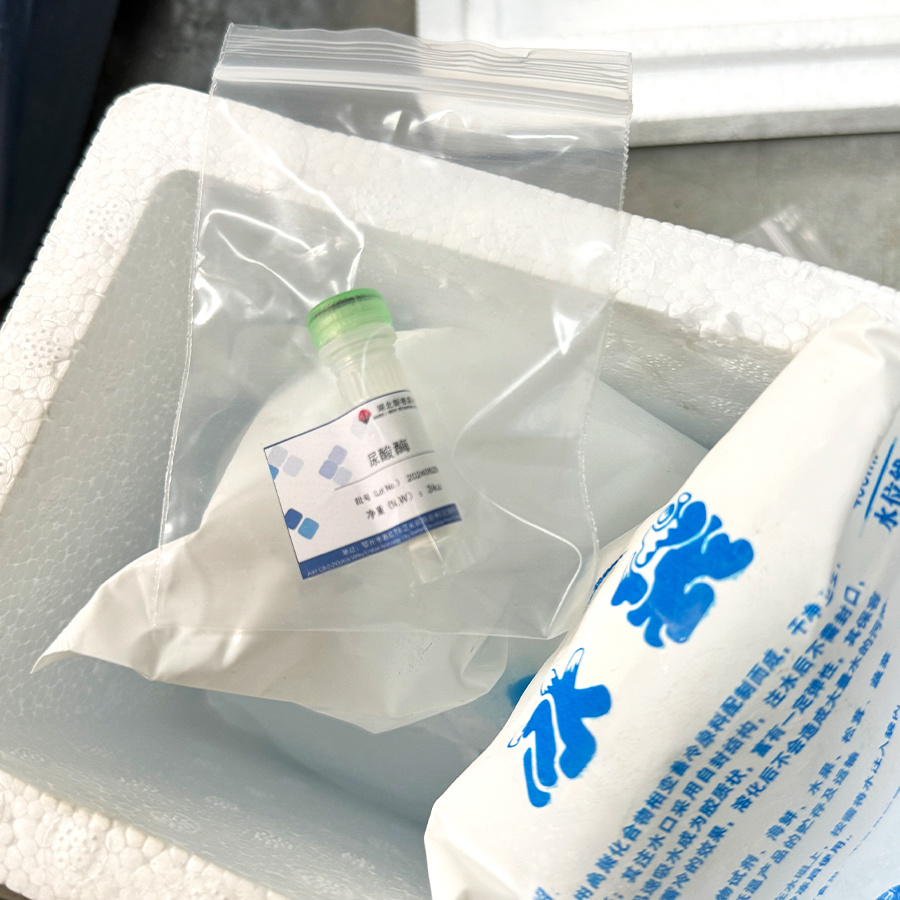
enzyme preparation
Hubei Xindesheng: Providing High Specific D-LDH Raw Materials
Hubei Xindesheng has long been committed to technological innovation and industrialization of enzyme preparations, with a focus on the research and production of L-lactate dehydrogenase (L-LDH). Relying on advanced genetic engineering expression platform and multi-level protein purification technology, the company has successfully constructed a highly expressed and stable L-LDH production system, ensuring excellent catalytic activity and batch consistency of the products. Contact us immediately to obtain exclusive technical solutions and provide reliable enzymatic support for your reagent research and development.
Contact details
Contact number
Address: C8, Guanggu United Science and Technology City, Ezhou City, Hubei Province
Fax:0711-3704 589
Follow us
