


Guarding the bottom line of enzyme activity: How to predict the risk of inactivation through changes in characteristics
Release time:
2025-12-15
In the development and production of in vitro diagnostic (IVD) reagents, enzyme preparations serve as the core functional component, and their activity status directly determines the accuracy and stability of the detection results. However, if enzyme preparations become inactive during transportation, storage, or use, it can lead to delayed reactions, decreased sensitivity, narrowed linear range, and even false negative results, seriously affecting clinical judgment. Therefore, mastering the method of determining whether enzyme preparations are inactivated is an important step in ensuring the stability of reagent performance.
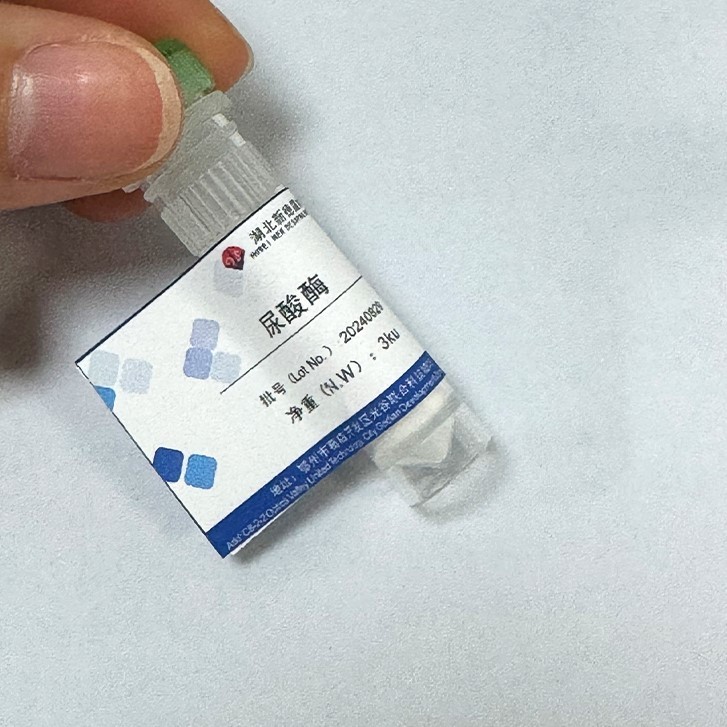
Visual judgment criteria for enzyme inactivation
In practical operation, the inactivation of enzyme preparations can be preliminarily determined by observing changes in physical properties, especially suitable for two common forms: liquid enzymes and freeze-dried powders.
For liquid enzyme preparations, under normal conditions, it should be a clear or microemulsion white solution without suspended solids or precipitates. If white flocculent substances (similar to "egg shaped" floating substances) are found in the solution, or the whole becomes cloudy and milky white, it usually indicates that the protein has undergone denaturation or aggregation, the enzyme structure has been destroyed, and the activity has significantly decreased or even completely lost. This phenomenon is common during transportation when the temperature exceeds the standard, repeatedly freezes and thaws, or is exposed to high temperature environments for a long time.
2.For freeze-dried powder formulations, qualified products should be white or off white loose bodies with uniform texture and easy solubility. If the freeze-dried powder is found to have severe clumping, forming a "milk skin like" dura mater on the surface, or showing obvious yellowing or browning, it indicates that the enzyme protein may undergo irreversible denaturation due to heat, oxidation, or residual moisture. The yellowing of the color is particularly a warning of glycation reaction or oxidation of amino acid residues, which seriously affects the catalytic ability of the enzyme.
3. Common causes of enzyme inactivation
In addition to changes in appearance, enzyme inactivation is also closely related to storage conditions. Protein enzyme preparations such as uricase have an impact on temperature pH、 Sensitivity to light and metal ions. Long term storage in environments outside 2-8 ℃, repeated freeze-thaw cycles, exposure to strong light, or packaging without inert gas protection may accelerate enzyme protein degradation. In addition, the lack of stabilizers (such as glycerol, trehalose, BSA, etc.) in the buffer system can also reduce the enzyme's stress resistance and increase the risk of inactivation.
Hubei Xindesheng: Ensuring the Stability of Enzyme Preparations from the Source
Hubei Xindesheng Biotechnology Co., Ltd. focuses on the research and production of enzymes for in vitro diagnostics, and is well aware of the critical impact of enzyme activity stability on test results. The company produces dozens of enzyme preparations, combined with multi-stage purification processes to ensure high specific activity and purity. The product adopts a protective formula and adds a composite stabilizer during the freeze-drying process, effectively preventing protein aggregation and oxidation.
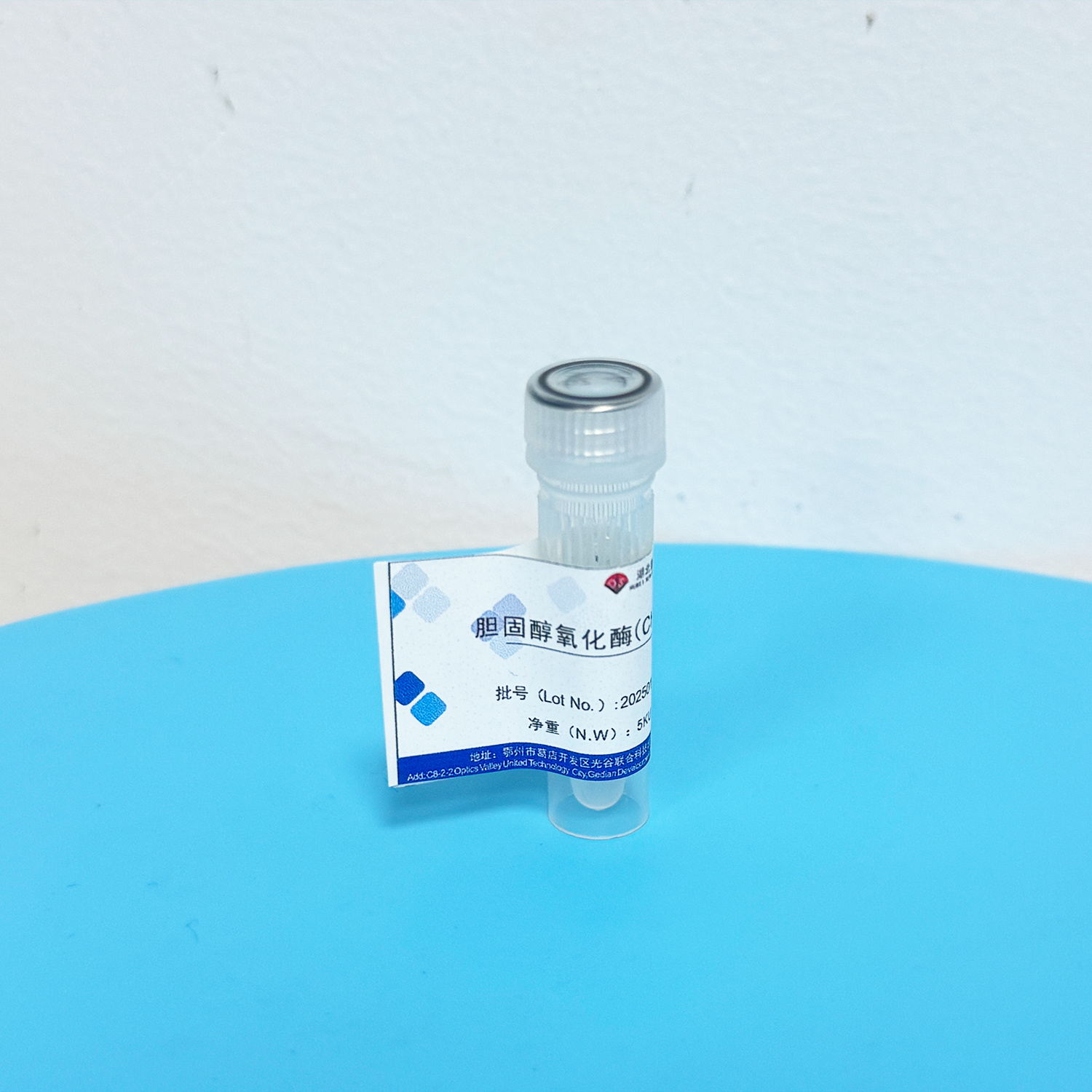
Each batch of products undergoes strict quality testing, including activity determination, purity analysis, solubility testing, and accelerated stability testing, to ensure that the freeze-dried powder has a uniform color, no crust, no discoloration, and is clear and transparent after reconstitution, without flocculent substances. At the same time, we provide full cold chain transportation and clear storage recommendations to reduce the risk of deactivation during transportation and use. If you have product requirements, please feel free to contact us for consultation.
Contact details
Contact number
Address: C8, Guanggu United Science and Technology City, Ezhou City, Hubei Province
Fax:0711-3704 589
Follow us
