


What are the process methods for treating blood collection tubes with silicification agents
Release time:
2024-08-17
Silicified blood collection tubes are an important tool commonly used in modern medical laboratories and clinical diagnosis. Their main function is to prevent blood samples from adhering to the test tube wall during collection and processing through silicon treatment of the inner wall, thereby improving the accuracy of blood collection and detection. Siliconization agent, as a chemical reagent used to treat the inner wall of blood collection vessels, is usually composed of high molecular weight organic silicon materials. These chemicals form a dense coating on the inner wall of the blood collection tube through chemical reactions, giving the tube wall excellent hydrophobicity and anti adhesion properties.
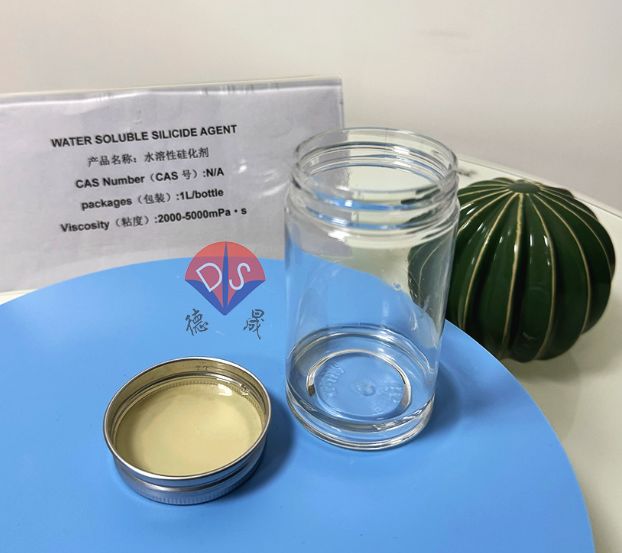
silicification agent
The role of silicification agents in blood collection tubes
1. Preventing blood adhesion: After silicification treatment, the inner wall of the blood collection tube is smooth, which can prevent blood cells and proteins from adhering to the tube wall.
2. Improve sample quality: reduce the retention and deterioration of blood samples on the tube wall, ensuring the accuracy of test results.
3. Reduce hemolysis: Silicification treatment can reduce hemolysis during blood collection and protect the integrity of blood cells.
The treatment process method of silicification agent blood collection tube
Solution method:
1. Process principle
Solution method is one of the commonly used silicification treatment methods. The principle is to dissolve the silicification agent in an organic solvent, and then immerse the blood collection tube into the solution, so that the silicification agent forms a uniform coating on the inner wall of the blood collection tube.
2. Process steps
(1) Preparation of silicification solution: Dissolve the silicification agent in a suitable organic solvent (such as ethanol, petroleum ether, etc.) to prepare the silicification solution.
(2) Immersion treatment: Immerse the clean blood collection tube into a silicification solution and maintain it for a period of time to ensure that the solution fully covers the inner wall of the blood collection tube.
(3) Drying and curing: Remove the blood collection tube, drain excess solution, and then heat and cure in a drying oven to allow the silicification agent to react chemically with the glass tube wall, forming a stable coating.
Spraying method:
1. Process principle
Spray coating is a method of forming a coating by spraying silicification reagents onto the inner wall of a blood collection tube.
2. Process steps
(1) Preparation of spray solution: Dissolve the silicification reagent in organic solvents (such as ethanol, petroleum ether, etc.) to prepare the spray solution.
(2) Spray treatment: Spray the spray solution evenly onto the inner wall of the blood collection tube.
(3) Drying and curing: Place the sprayed blood collection tube in a drying oven to heat and cure, forming a stable coating.
Dip coating method:
1. Process principle
The dip coating method is to immerse the blood collection tube into a silicified solution, and during pulling, by controlling the immersion speed and solution concentration, the solution is uniformly coated on the inner wall of the blood collection tube to form a coating.
2. Process steps
(1) Preparation of coating solution: Dissolve the silicification reagent in an appropriate solvent to prepare the coating solution.
(2) Dip coating treatment: Dip the blood collection tube into the dip coating solution, hold it for a period of time, and then slowly pull it to evenly coat the tube wall with the solution.
(3) Drying and curing: Cure the coated blood collection tube in a drying oven.
Quality control of silicification treatment
1. Coating thickness: The thickness of the siliconized coating is an important factor affecting the performance of blood collection tubes. Thick coating can affect transparency and observation effect, while thin coating can easily lead to coating peeling. The coating thickness should be strictly controlled within the specified range through equipment such as coating thickness gauges.
2. Coating uniformity: The uniformity of the coating directly affects the anti adhesion performance of the blood collection tube. Inspect the surface of the coating through various inspection methods to ensure uniformity and absence of defects.
3. Coating adhesion: The adhesion of the coating is the key to ensuring the long-term effectiveness of siliconized blood collection tubes. By using methods such as scratch testing and peel testing, the adhesion of the coating is tested to ensure that it is not affected during use.

Product packaging
There are various methods for treating blood collection tubes with silicification agents, each with its own advantages and applicable scope. Choosing the appropriate process method can not only improve the quality and performance of blood collection tubes, but also meet different experimental and clinical needs. As a research and development manufacturer of blood collection tube additives, Desheng can supply advantageous silicification agent products with excellent silicification effect, resulting in smooth blood collection without hanging on the wall, and the manufacturer's selling price is cheap with perfect after-sales service. If you have any relevant intentions, please feel free to click on the website to inquire about details and purchase at any time!
Contact details
Contact number
Address: C8, Guanggu United Science and Technology City, Ezhou City, Hubei Province
Fax:0711-3704 589
Follow us
