


There is a large inter batch difference in IVD reagent raw materials, and there are 5 quality control checkpoints for factory testing
Release time:
2025-11-16
In the in vitro diagnostic (IVD) industry, the inter batch difference of reagent raw materials is a key factor affecting product quality stability. Batch difference refers to the differences in purity, activity, stability, and other indicators of raw materials from different production batches, which may lead to fluctuations in reagent performance and thus affect the consistency of test results. To reduce batch differences and ensure the quality of raw materials, quality control testing before leaving the factory is crucial. By establishing multi-dimensional and full process quality control checkpoints, non-conforming batches can be intercepted, providing a basic guarantee for the stable production of IVD reagents.

Chromogenic substrate ADOS reagent
1、 Raw material purity testing: building a solid foundation for quality
Purity is the core indicator of IVD reagent raw materials, which directly affects the specificity and sensitivity of subsequent reactions. The difference in purity between different batches of raw materials may be due to factors such as fluctuations in synthesis processes and unstable purification efficiency, so purity testing is a key checkpoint before leaving the factory.
The detection method should be selected according to the type of raw material: for chemical synthesis raw materials (such as buffering agents, chromogenic substrates), liquid chromatography (HPLC) or gas chromatography (GC) analysis can be used to calculate the purity value by comparing the retention time and peak area of the standard.
2、 Key Performance Indicator Validation: Matching Application Scenarios
The performance of IVD raw materials needs to match the application scenarios of reagent production, and the performance fluctuations of different batches may directly affect the detection effect of reagents. The validation of performance indicators requires simulating actual usage conditions and evaluating the performance of raw materials in the reaction system. Taking enzyme raw materials as an example, key parameters such as specific activity and Km value (Michaelis constant) need to be tested. The detection needs to be carried out in a standard reaction system, and the enzyme activity is calculated by continuously monitoring the reaction rate to ensure the consistency of catalytic efficiency between different batches.
For luminescent reagents, it is necessary to verify their luminescence intensity and kinetic curve. Under the same excitation conditions, there are differences in initial luminescence intensity and luminescence duration (half-life) among different batches. Record the luminescence curve using an enzyme-linked immunosorbent assay (ELISA) reader to ensure signal stability between batches and avoid differences in detection sensitivity caused by fluctuations in luminescence performance.
3、 Stability Acceleration Test: Predicting Storage Performance
The stability of raw materials is the basis for ensuring the shelf life of IVD reagents, and differences in stability between different batches may lead to premature failure of the reagents during storage. Evaluating the stability of raw materials through accelerated testing is an indispensable quality control checkpoint. Accelerated testing requires simulating storage conditions, such as 37 ℃ high temperature and 60% high humidity environment, and regularly testing key indicators of raw materials (such as purity and activity).
4、 Screening for interfering substances: eliminating potential risks
The interference substances that may remain in IVD raw materials, such as heavy metal ions, organic solvents, and microbial pollutants, although their content is extremely low, may affect the specificity of the reagent reaction. The difference in the content of interfering substances between different batches is a hidden factor that leads to inter batch differences. The detection items need to cover common interference sources: heavy metal ions (such as lead, mercury, copper) are detected by inductively coupled plasma mass spectrometry.
5、 Simulation reagent formula verification: close to practical application
The value of raw materials needs to be reflected in the actual reagent formula. Even if the various indicators of a single batch of raw materials are qualified, performance fluctuations may still occur after compounding with other components. Therefore, the validation of simulated reagent formulas is a quality control checkpoint before leaving the factory, and it is also a validation process that is close to practical applications. The verification method is to mix the raw materials to be tested with other auxiliary materials according to the standard reagent formula, prepare a simulated reagent, and test its key performance.
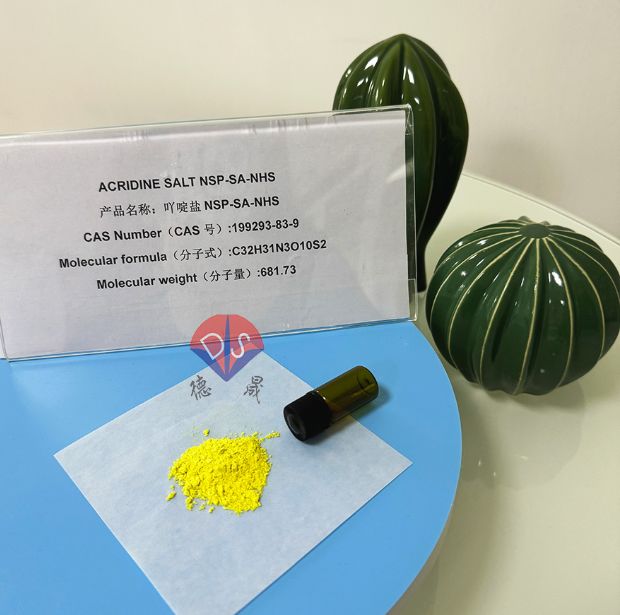
The inter batch difference control of IVD reagent raw materials relies on a quality control system throughout the entire process, and the above five checkpoints constitute a progressive quality defense line. By strictly implementing these tests, batch differences can be controlled within an acceptable range, providing stable raw materials for downstream reagent production.
It is worth noting that quality control is not a single task, but requires dynamic adjustment of testing items based on the characteristics of raw materials. Chemical raw materials focus on purity and stability, biological raw materials focus on activity and interfering substances, and molecular diagnostic raw materials need to strengthen nucleic acid contamination screening. Only through targeted quality control strategies can batch differences be reduced, laying the foundation for the quality consistency of IVD reagents.
Hubei Xindesheng Company, as an upstream IVD reagent raw material supplier, has established a multi link quality control system to strictly control batch differences through purity testing, performance verification, stability testing, and other methods. The buffering agents, chemiluminescence reagents and other raw materials supplied by it have high batch consistency in purity, activity and other indicators, and can be adapted to biochemical diagnosis, immune testing and other scenarios. The company can provide detailed quality inspection reports and support customized raw material specifications as needed. If you have any purchasing needs, please feel free to contact us at any time!
Contact details
Contact number
Address: C8, Guanggu United Science and Technology City, Ezhou City, Hubei Province
Fax:0711-3704 589
Follow us
