


The Importance of pH Control: Application of MES and Bis Tris in Yeast Culture
Release time:
2025-07-26
In biological science research, yeast, as an important single-cell eukaryotic model organism, is widely used in various fields such as gene function research, protein expression, metabolic engineering, and synthetic biology. In order to ensure efficient and stable growth of yeast during the experimental process, it is crucial to maintain a suitable culture environment, among which the control of the pH value of the culture medium is particularly important. This article will focus on the importance of pH regulation, with a particular emphasis on the application and selection strategies of MES buffer and Bis Tris, two common buffering agents, in yeast culture.
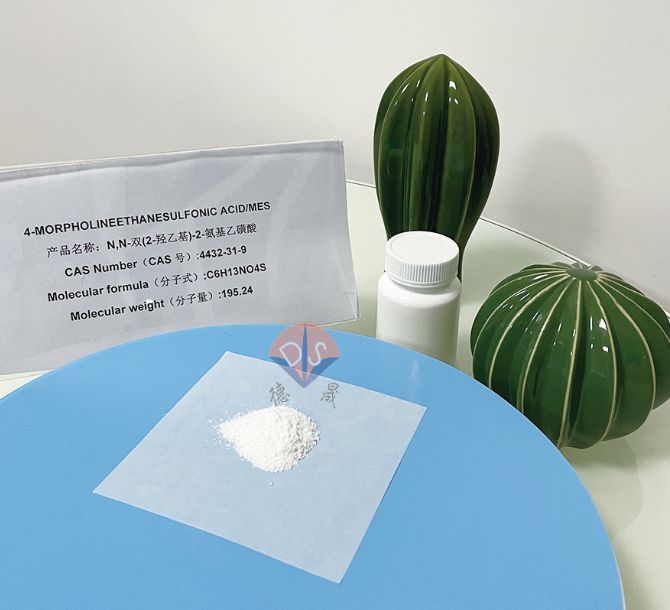
MES powder
Why is pH regulation so important?
PH is one of the core sound velocities that affect microbial growth and metabolic activity. For yeast, inappropriate pH conditions can significantly inhibit its proliferation rate and even lead to physiological dysfunction, thereby interfering with the reliability of experimental data. Specifically, pH fluctuations directly affect the catalytic activity of various enzymes within cells, which are key factors involved in energy metabolism and substance synthesis. Previous studies have shown that maintaining an appropriate pH range not only helps improve the growth efficiency of yeast, but also extends its lifecycle, thereby enhancing the reproducibility of experiments and the stability of results.
MES and Bis Tris: Common Buffers in Yeast Culture
To achieve pH stability in the cultivation environment, researchers often use buffering agents to resist external acid-base fluctuations. Among them, MES (2- (N-morpholino) ethanesulfonic acid) and Bis Tris (2- [bis (2-hydroxyethyl) amino] -2- (hydroxymethyl) -1,3-propanediol) are two widely used buffering agents.
MES is a water-soluble zwitterionic buffer with an effective buffering range of 6.0 to 7.0, which is particularly suitable for yeast culture systems that require maintaining a slightly acidic environment. In addition, MES has low cytotoxicity and its use at recommended concentrations will not have adverse effects on the normal physiology of yeast.
Bis Tris has a wider buffer range and is suitable for pH 5.8 to 7.2 environments, especially for yeast culture experiments conducted under neutral or weakly alkaline conditions. Similar to MES, Bis Tris also exhibits good pH stability, ensuring the stability of the culture medium.
Precautions for choosing MES and Bis Tris
Buffer range matching: Select the buffer according to the pH range required for the experiment. MES is suitable for acidic environments, while Bis Tris is suitable for neutral or weakly alkaline environments.
Concentration control: The addition concentration of MES and Bis Tris needs to be adjusted according to the total volume of the culture medium and the target pH value. For example, the concentration of MES is usually controlled below 20mM to avoid potential toxicity to cells.
Experimental conditions: During long-term cultivation, the pH value of the culture medium should be regularly monitored, and buffering agents should be supplemented as needed to maintain a stable growth environment.
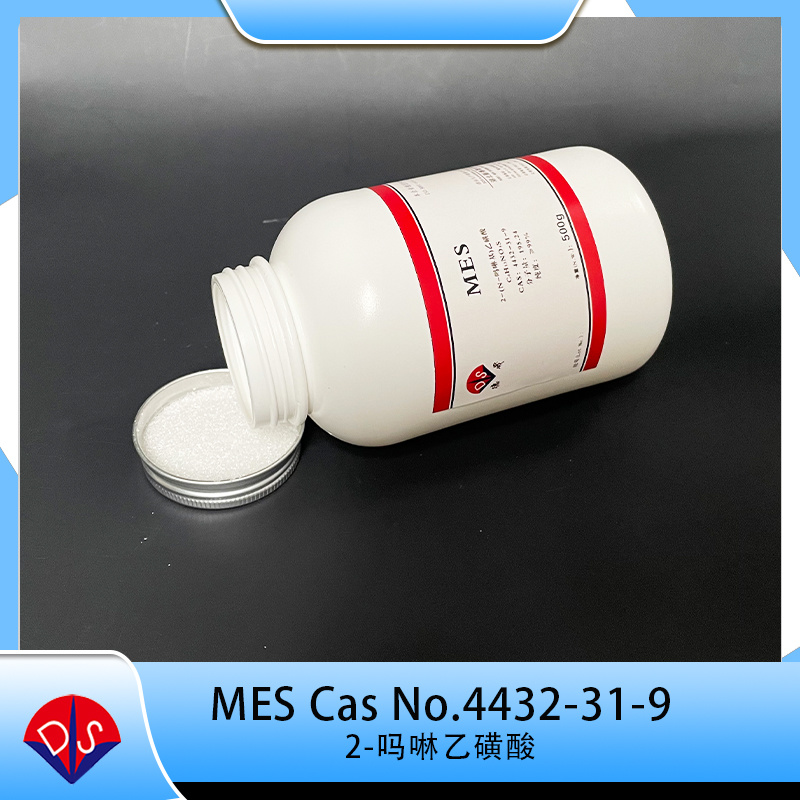
Product packaging
In summary, pH control plays an important role in yeast culture and directly affects the success of experiments. MES and Bis Tris, as high-performance buffer systems, perform well in maintaining a stable yeast culture environment. As a professional supplier of biological buffering agents, Desheng New Materials has always focused on providing high-quality MES and Bis Tris products. The company strictly controls the production process and quality indicators to ensure that each batch of buffering agents has excellent buffering capacity and stability, safeguarding your yeast cultivation experiments.
Contact details
Contact number
Address: C8, Guanggu United Science and Technology City, Ezhou City, Hubei Province
Fax:0711-3704 589
Follow us
