


Can HEPES buffer be frozen
Release time:
2024-12-29
HEPES buffer is a commonly used biological buffer in the fields of chemistry and biology. HEPES (4- (2-hydroxyethyl) -1-piperazine ethanesulfonic acid) is a zwitterionic buffer with good water solubility and buffering capacity. Its pKa value is about 7.55, which can maintain the pH stability of the solution within the physiological pH range. HEPES buffer is widely used in cell culture, biochemical experiments, protein purification and other fields. In cell culture, it can provide a suitable growth environment for cells and maintain pH balance inside and outside the cells. In biochemical experiments, it can serve as a buffer solution for reaction systems. I saw someone raise the question of whether HEPES buffer can be frozen. Below, I will discuss this issue in detail with everyone.
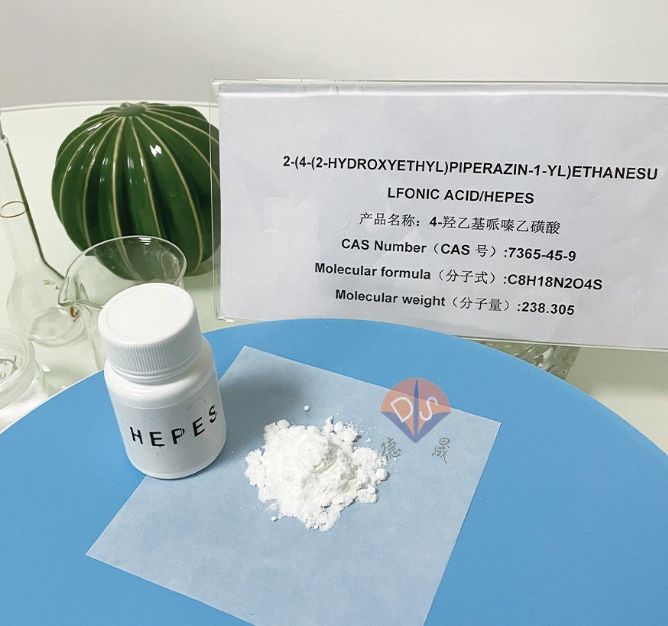
HEPES buffer powder
Can HEPES buffer be frozen
The answer is no. The specific reasons are as follows:
1. The impact of freezing on buffer performance: Freezing can have adverse effects on the performance of HEPES buffer. When the buffer is frozen, the water in it freezes, causing a change in the concentration of the buffer. This may affect the pH value and buffering capacity of the buffer, making it unable to function properly in the experiment.
2. Possible physical changes: Freezing may also cause physical changes in HEPES buffer, such as crystallization, precipitation, etc. These physical changes not only affect the appearance of the buffer, but may also affect its chemical properties and biological activity. For example, crystallization may cause separation of components in the buffer solution, affecting its buffering effect; Sedimentation may adsorb other substances, affecting the experimental results.
3. Impact on biological activity: In some biological experiments, HEPES buffer may interact with biomolecules. Freezing may disrupt the structure and activity of these biomolecules. For example, in cell culture, frozen HEPES buffer may cause damage to cells, affecting their growth and proliferation.
HEPES buffer can be used in ice packs during transportation
1. Maintain appropriate temperature: During transportation, adding ice packs can keep the temperature of HEPES buffer solution within a lower range, avoiding adverse effects of high temperature on the performance of the buffer solution. Generally speaking, the temperature of HEPES buffer during transportation should be maintained between 2-8 degrees Celsius, which is the same as the storage temperature. Adding ice packs can lower the temperature of the buffer and ensure its stability during transportation.
2. Prevent temperature fluctuations: During transportation, the ambient temperature may change, causing temperature fluctuations in the buffer solution. Adding ice packs can serve as a buffer and reduce the impact of temperature fluctuations on the performance of the buffer solution. Ice packs can absorb heat from the surrounding environment, keeping the temperature of the buffer relatively stable and ensuring its quality during transportation.
Precautions for proper storage and transportation of HEPES buffer solution
1. Choose the appropriate container: When storing and transporting HEPES buffer, a suitable container should be selected. Generally speaking, containers with good sealing and chemical corrosion resistance should be selected. At the same time, the size of the container should be selected according to actual needs to avoid waste or deterioration of the buffer solution caused by containers that are too large or too small.
2. Clear labeling: When storing and transporting pre configured HEPES buffer, clear labels should be placed on the container, including the name, concentration, pH value, production date, shelf life, and other information of the buffer. This can facilitate users to identify and use the buffer solution, while also helping to ensure the quality of the buffer solution.
3. Avoid contamination: When storing and transporting HEPES buffer, avoid contamination, use clean containers and tools, and avoid contact between the buffer and other chemicals. At the same time, attention should be paid to maintaining a clean and hygienic storage and transportation environment, and avoiding dust and other pollutants from entering the buffer solution.
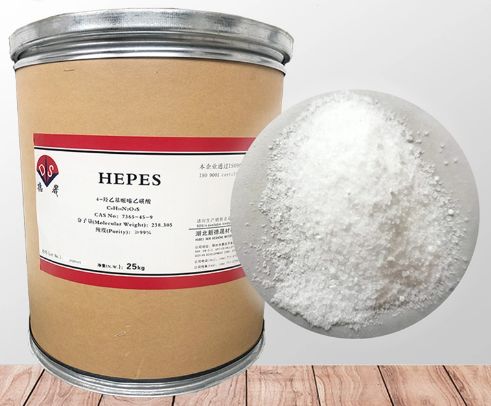
Product packaging
HEPES buffer, as a commonly used biological buffer, is crucial for ensuring its performance and stability through proper storage and transportation methods. As a manufacturer of HEPES buffer solution, Hubei Xindesheng Material Technology Co., Ltd. uses white powder as its raw material, which is extremely convenient for transportation and storage. It can be taken and used immediately during preparation, without causing waste and saving time. If you have purchasing intentions, please feel free to click on the website for consultation at any time!
Contact details
Contact number
Address: C8, Guanggu United Science and Technology City, Ezhou City, Hubei Province
Fax:0711-3704 589
Follow us
