


Luminescent reagent acridine ester series labeling environment
Release time:
2024-12-07
In the fields of modern biochemistry and medical diagnosis, fluorescence labeling technology is widely used due to its high sensitivity, easy operation, and low damage to biological samples. Among them, the acridine ester series compounds, as a class of high-performance luminescent reagents, have shown special charm in numerous labeling experiments and have become one of the important tools in biological labeling and analysis.
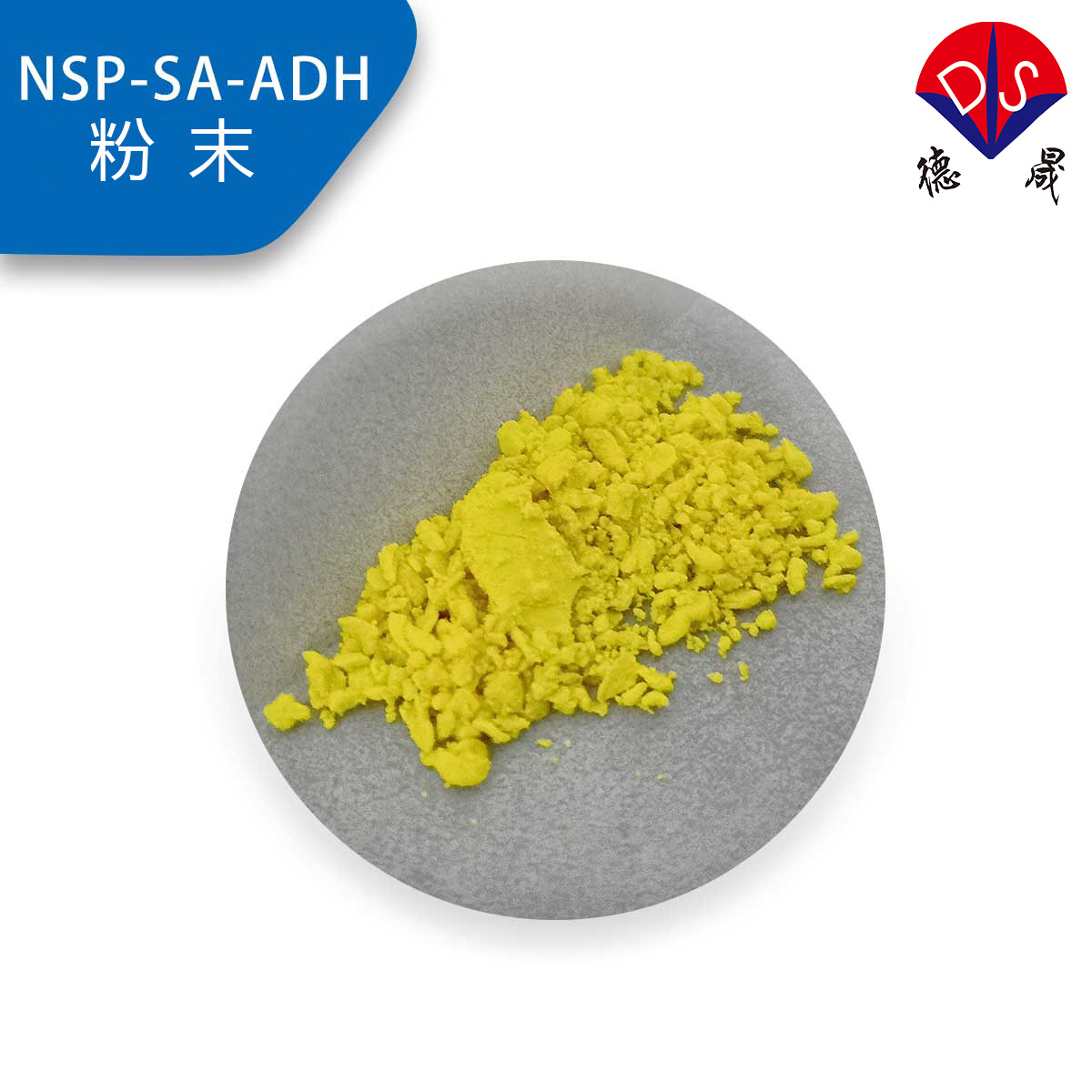
Acridinium esters powder
Overview of Acridine Ester Series Compounds
Acridinium esters (AE) are a class of compounds based on the acridine ring that can undergo chemiluminescence reactions under specific conditions, producing strong fluorescent signals. This characteristic makes acridine esters an important substance in the field of biomarkers. The luminescence mechanism of the acridine ester series is mainly based on its chemiluminescence reaction in alkaline hydrogen peroxide solution. When acridine ester meets hydrogen peroxide under alkaline conditions, an oxidation reaction occurs, generating unstable intermediate products. This intermediate product will rapidly decompose, releasing a large amount of energy and exciting electrons on the acridine ring into high-energy states. When these electrons return to the ground state, they emit photons of specific wavelengths, thereby achieving chemiluminescence. This process does not require additional light source excitation, reduces background interference, and improves the signal-to-noise ratio of detection.
Advantages of Acridine Ester Series Labeling Environment
1. High sensitivity: The chemiluminescence efficiency of acridine ester is very high, and even trace amounts of target molecules can produce detectable signals, making it suitable for trace analysis
2. Good stability: Compared to other fluorescent markers, acridine ester is stable at room temperature, easy to store and transport, and the labeled biomolecules maintain high biological activity.
3. Quick response: The luminous response is rapid, usually completed within a few seconds, suitable for situations that require rapid detection.
4. Low background noise: avoids interference from background fluorescence and improves detection accuracy.
5. Wide application range: Acridine esters can label various biomolecules, such as antibodies, nucleic acids, proteins, etc., and are widely used in fields such as immune analysis, gene detection, and cell imaging.
Optimization of labeling environment for luminescent reagent acridine ester series
The luminescence performance of the acridine ester series luminescent reagents is significantly affected by the labeling environment. Optimizing the labeling environment can significantly increase luminescence intensity, prolong luminescence time, reduce background noise, and thus improve detection sensitivity and accuracy. Here are some methods to optimize the tagging environment:
1. PH regulation: Acridine esters exhibit ideal luminescent properties in alkaline environments. Therefore, during the labeling process, it is necessary to accurately control the pH value of the solution to ensure that the acridine ester fully reacts and produces strong chemiluminescence. Optimizing pH value can not only increase luminescence intensity, but also reduce non-specific binding and improve detection specificity.
2. Avoid oxidation and strong alkaline environments: Acridine esters have poor stability in strong alkaline and oxidizing environments, and are prone to premature decomposition, affecting labeling efficiency and storage stability. Therefore, during the labeling and storage process, strong alkaline solutions should be avoided and it should be ensured that the system does not contain excessive oxidants.
3. Control lighting conditions: Acridine ester markers may undergo partial decomposition under lighting conditions, thereby affecting the luminescence effect. The experimental operation and storage must be carried out under dark conditions, using dark boxes or containers to protect the markers from light exposure, especially for photosensitive acridine ester derivatives.
4. Reaction time and temperature control: The time and temperature of the labeling reaction are also key factors affecting labeling efficiency and product stability. Usually, labeling reactions are carried out at room temperature or slightly above room temperature to balance reaction rate and label stability. The reaction time needs to be optimized according to experimental conditions. If it is too short, it may lead to insufficient labeling, while if it is too long, it may cause degradation of the label.

Product packaging
Acridine ester, as an ideal chemiluminescence reagent, has a wide range of applications in fields such as biomarkers, molecular diagnostics, and environmental monitoring. By optimizing the labeling environment, experimenters can maximize the luminescence efficiency of acridine esters.
As a research and development manufacturer of acridine esters, Desheng provides products that are all analytical pure raw materials. Through strict quality control systems, we provide you with stable, highly sensitive, and reliable acridine ester products. There are currently 6 different groups of acridine esters available in stock. Interested parties are welcome to click on the website for more information and purchase!
Previous page
Previous page
Contact details
Contact number
Address: C8, Guanggu United Science and Technology City, Ezhou City, Hubei Province
Fax:0711-3704 589
Follow us
