


Standard operation for preparing solutions of acridine ester raw materials for chemiluminescence reagents
Release time:
2024-12-02
In the field of chemiluminescence detection, acridine ester is an important chemiluminescence reagent raw material, and the correct preparation of its solution is crucial for the accuracy and reliability of the detection results. Understanding and mastering the standardized operation of preparing solutions from acridine ester raw materials can not only ensure the smooth progress of experiments, but also improve the quality and efficiency of detection.
Characteristics and storage requirements of acridine ester
Acridine esters are usually stored in the form of freeze-dried powder because the freeze-dried powder state can prolong the stability and shelf life of acridine esters. Low temperature environment can slow down the chemical reaction rate of acridine ester and reduce its risk of decomposition and deterioration. At the same time, avoiding light for preservation is also very important, as light exposure may trigger photochemical reactions of acridine esters, leading to a decrease in their performance.
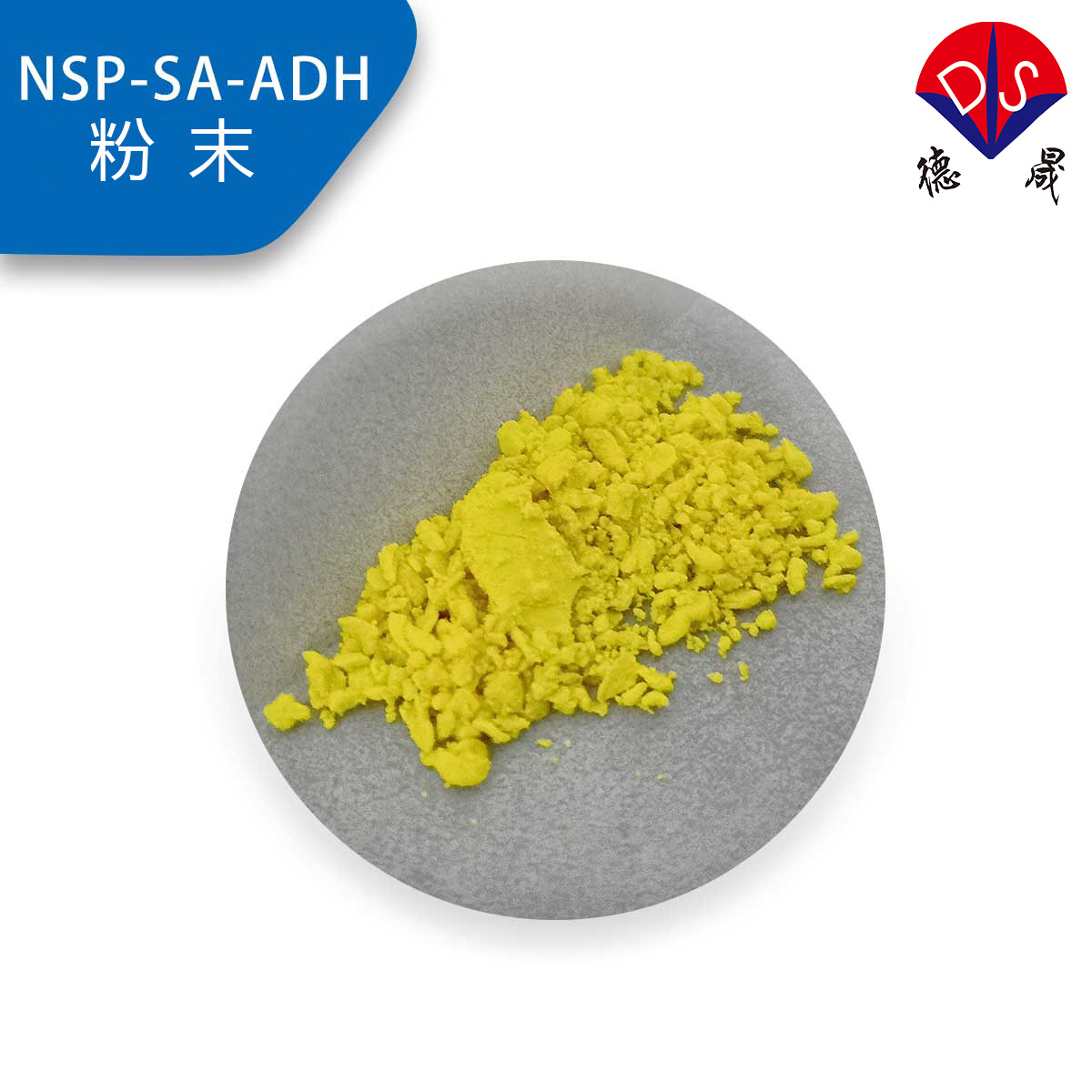
acridine esters powder
Why can't acridine ester be dissolved in water
Since acridine esters cannot be dissolved in water, non protonated solvents need to be selected to prepare the solution. The commonly used solvents are DMF (dimethylformamide) and DMSO (dimethyl sulfoxide). These solvents have the following advantages:
Low hydrolysis: Non protonated solvents have a lower affinity for water and can reduce the hydrolysis reaction of acridine esters.
Good solubility: DMF and DMSO can dissolve acridine esters well, forming a uniform solution.
Stability: These solvents can stabilize the structure of acridine esters, preventing their decomposition and deterioration.
Standardized operating procedures
1. Preparation work
Choose the appropriate solvent: Based on experimental requirements and the characteristics of acridine esters, choose a suitable non protonated solvent, such as DMF or DMSO.
Cleaning containers: Use clean glass or plastic containers to avoid impurities in the container contaminating the acridine ester solution. The container can be cleaned with deionized water and then dried with ethanol or acetone.
Preparation tools: Prepare accurate pipettes, stirring rods, and other tools to ensure the accuracy and precision of the operation.
2. Dissolve acridine ester
Remove freeze-dried powder: Remove the acridine ester freeze-dried powder from the freezer, quickly open the packaging, and avoid prolonged exposure to air.
Add solvent: According to the experimental requirements, accurately add an appropriate amount of non protonated solvent into the container using a pipette. Be careful not to add too much solvent to avoid affecting the concentration of the solution.
Stir and dissolve: Gently stir the solution with a stirring rod to fully dissolve the acridine ester. During the stirring process, it is necessary to avoid the generation of bubbles to avoid affecting the uniformity of the solution.
Ready to use, ready to use
1. Timely use: Acridine ester solution should be prepared and used immediately, and should not be stored for a long time. Because even in non protonated solvents, acridine esters will gradually decompose and deteriorate over time.
2. Avoid waste: According to experimental requirements, calculate the required amount of acridine ester solution reasonably to avoid preparing too many solutions and causing waste.
Matters needing attention
1. Operating standards: During the operation, avoid contact with solvents and acridine ester powder. If accidentally in contact with solvents or acridine esters, rinse immediately with plenty of water.
2. Storage of remaining solution: If there is any remaining acridine ester solution, it should be sealed and stored, and used as soon as possible. Do not leave the remaining solution at room temperature for a long time to prevent its performance from deteriorating.
3. Record the operation process: During the preparation of the solution, it is necessary to record the operation steps, solvents used, and the amount of acridine ester used for subsequent experimental analysis and quality control.

Product packaging
The standardized operation of the preparation solution of acridine ester raw materials for chemiluminescence reagents is an indispensable step in chemiluminescence detection. Understanding the characteristics and storage requirements of acridine esters, selecting suitable solvents, strictly following the operating procedures for preparation, and paying attention to quality control can ensure the accuracy and reliability of detection results, improve the operability of experiments, and extend the service life of reagents. In practical operation, experimental personnel should continuously accumulate experience, improve operational skills, and provide strong support for chemiluminescence detection. As a supplier of acridine ester raw materials, Desheng has simple preparation steps, professional guidance for use, and timely and proper resolution of problems. Customers can use and purchase with peace of mind. Welcome interested parties to click on the website to inquire about details!
Contact details
Contact number
Address: C8, Guanggu United Science and Technology City, Ezhou City, Hubei Province
Fax:0711-3704 589
Follow us
