


Is acridine ester more suitable for labeling large or small molecules
Release time:
2024-10-17
Acridinium ester, as a chemiluminescence marker, can be used to label large molecules such as proteins and nucleic acids, as well as small molecules. However, there are some characteristics and considerations that need to be taken into account when using acridine ester markers to label molecules of different sizes.
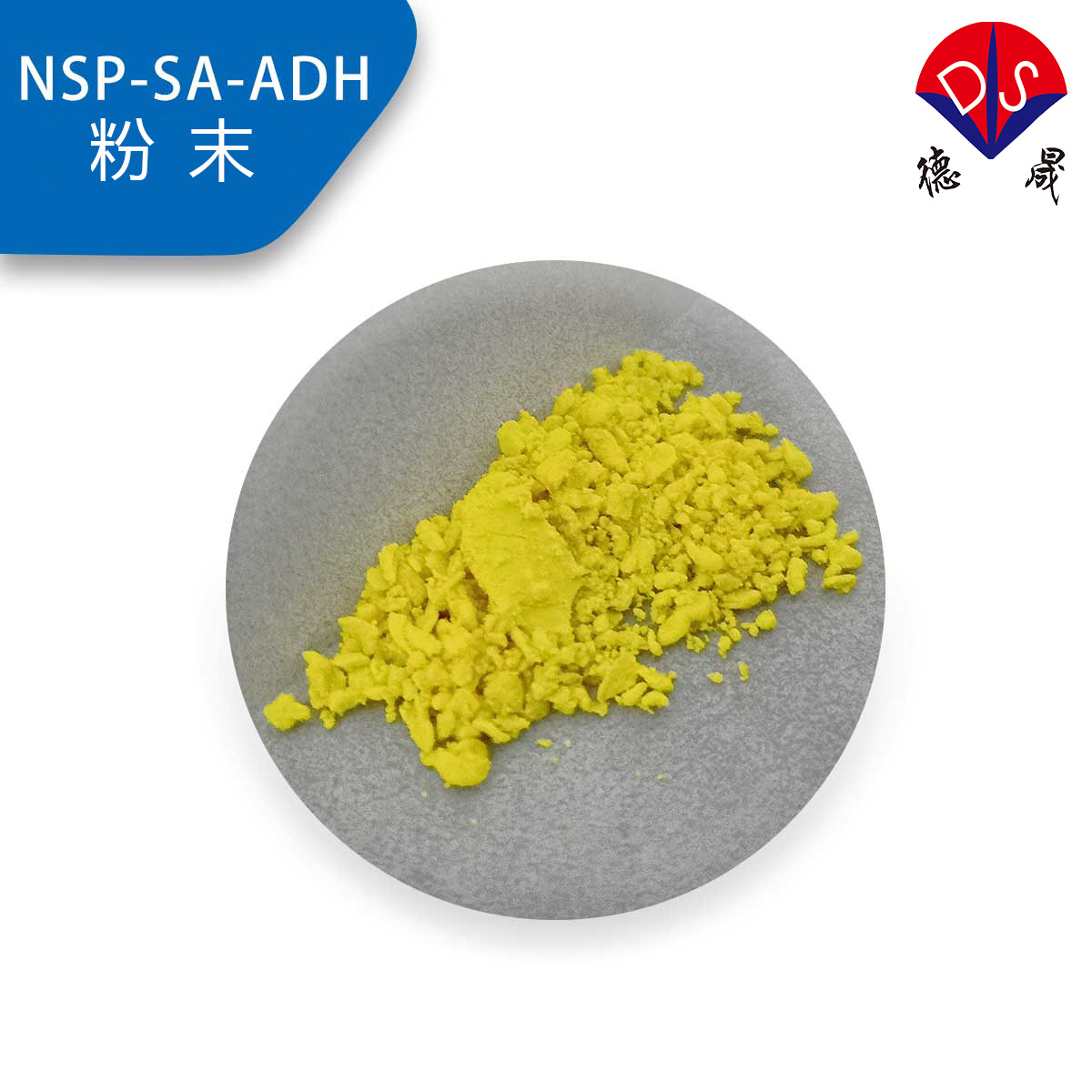
Acridine ester powder
Marking macromolecules
Protein: Acridine esters can be used for protein labeling, especially as signal amplifiers in immunoassays. The macromolecular structure of proteins allows for multiple labeling sites, which can enhance the intensity of luminescent signals.
Nucleic acid: Acridine ester labeled DNA or RNA probes can generate strong chemiluminescence signals during hybridization, making them suitable for high-sensitivity nucleic acid detection, such as gene expression analysis and genetic disease diagnosis.
Marking small molecules
The labeling of small molecules requires more caution, as the addition of acridine ester molecules may have a significant impact on the physicochemical properties and biological activity of small molecules. In some cases, acridine ester labeling may cause changes in the spatial conformation of small molecules, thereby affecting their function.
For the labeling of small molecules, the use of acridine esters may face additional challenges such as labeling efficiency, non-specific binding, and the impact of labels on molecular function. Therefore, when labeling small molecules, it is usually necessary to optimize the labeling conditions, such as reaction time, temperature, and the ratio of acridine ester to target molecule, in order to achieve better labeling effect and preserve the activity of small molecules.
Advantages and disadvantages of acridine ester in labeling large molecules
Advantages: The labeled macromolecules can maintain high stability, which is beneficial for subsequent experiments or applications. Large molecular markers have broad application value in the fields of biology and medicine.
Disadvantage: For large molecules such as proteins, it may be difficult for acridine esters to effectively covalently bind with them due to limitations in the complexity, diversity, and size and shape of large molecules.
Advantages and disadvantages of acridine ester in labeling small molecules
Advantages: The labeling process is relatively simple and easy to control.
Disadvantage: For small molecules, acridine esters may be difficult to accurately label in complex biochemical environments because small molecules have high reactivity and their molecular structure may affect the binding of acridine esters.
conclusion
Because these two labeling methods each have their own advantages, disadvantages, and application scenarios. In practical applications, appropriate labeling strategies should be selected based on specific needs. For example, in situations where high stability and wide application value are required, macromolecular labeling may be more suitable; When a fast and simple labeling process is needed, small molecule labeling may have more advantages.

Product packaging
In addition, with the continuous development of science and technology, new labeling methods and optimization strategies continue to emerge. In the future, the application of acridine esters in labeling large and small molecules will also be further expanded and optimized. As a supplier of chemiluminescence reagents, Desheng can provide acridine ester raw material powder with sensitive reaction, favorable price, and high labeling efficiency. If you are interested, please feel free to contact us for purchase at any time!
Contact details
Contact number
Address: C8, Guanggu United Science and Technology City, Ezhou City, Hubei Province
Fax:0711-3704 589
Follow us
