


Desheng takes you to understand the process and advantages of acridine ester labeling nucleic acid
Release time:
2024-08-08
Acridine ester is an important luminescent marker in chemiluminescence immunoassay, which can be used for the detection of proteins, antibodies, and nucleic acids. Acridine ester chemiluminescence reagents can label DNA strands to produce chemiluminescence DNA probes for in vitro diagnosis. Nucleic acid includes both DNA and RNA, and many diseases are related to mutations in DNA. This article focuses on how to label nucleic acids with acridine esters and takes you to understand the advantages and application value of acridine ester labeling of nucleic acids.
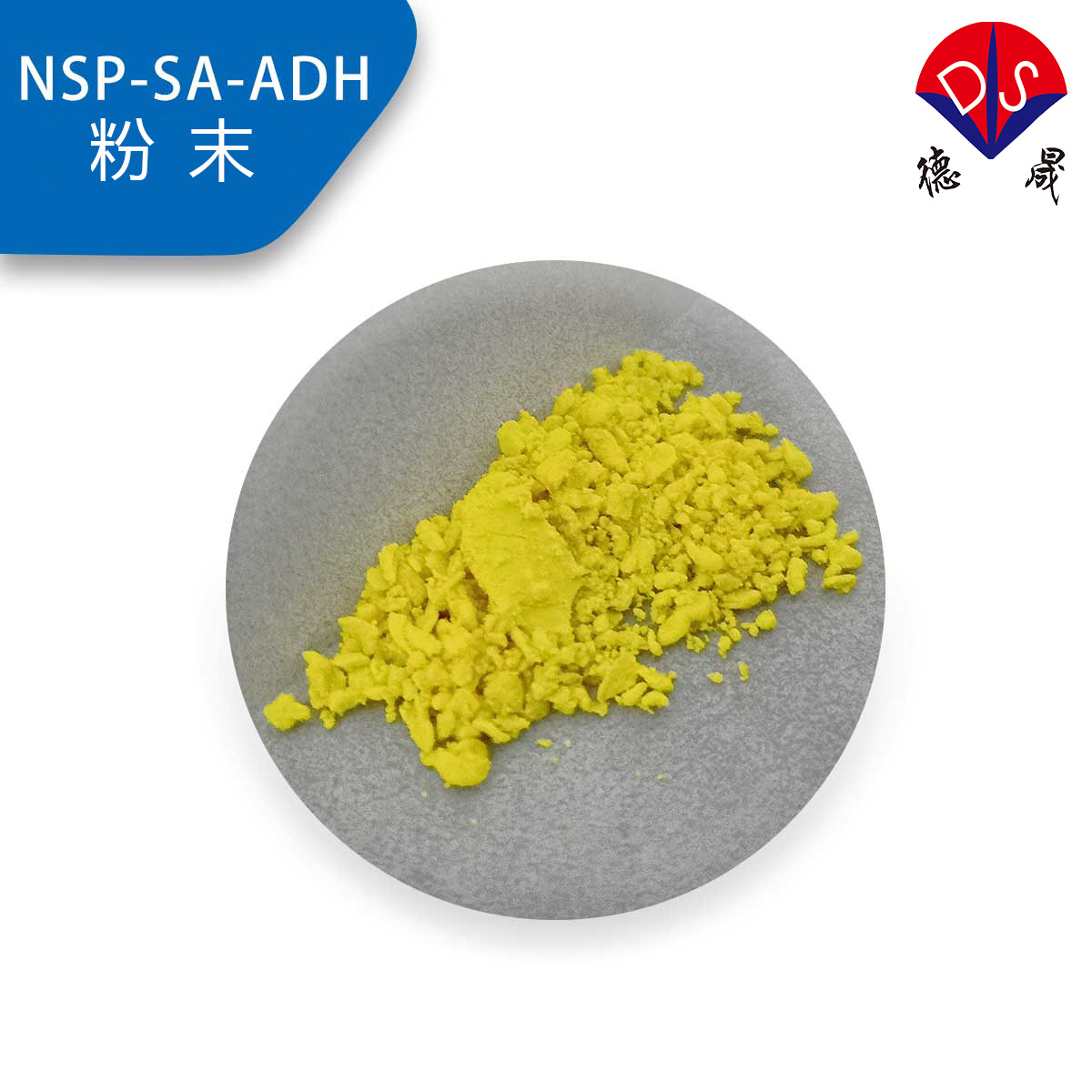
Acridine Ester powder
The process of labeling nucleic acids with acridine ester
Protection of nucleic acid probes: In order to ensure that specific endpoints of the nucleic acid probe (usually the 5 'or 3' end) can effectively and specifically bind to acridine esters, it is necessary to protect these endpoints to prevent non-specific reactions from occurring.
Preparation of Acridine Ester Solution: Dissolve a specific concentration (e.g. 25mM) of acridine ester in a suitable organic solvent, such as dimethyl sulfoxide (DMSO). This step ensures that the acridine ester can be fully dissolved and ready for labeling reaction.
Label the configuration of the reaction mixture: Prepare a buffer solution with a suitable pH value, such as 1M HEPES buffer (pH 8.0), to create an alkaline environment conducive to the binding of acridine ester to nucleic acid. This buffer helps stabilize the reaction system and accelerate the reaction process.
Marking process: Add the nucleic acid probe and acridine ester solution to the buffer solution in a predetermined molar ratio (e.g. nucleic acid probe: acridine ester=1:5). This ratio may be adjusted based on specific experimental requirements and labeling efficiency. Subsequently, incubate at a specific temperature (such as 37 ℃) for a period of time (such as 1 hour) to allow the acridine ester to bind to the probe.
Purification: After the labeling reaction is completed, it is necessary to remove the unconjugated acridine ester, by-product and denatured nucleic acid through liquid chromatography (HPLC) or other appropriate purification technologies (such as gel filtration, centrifugation, etc.), so as to obtain pure acridine ester labeled nucleic acid probe.
Verification and storage: The purified labeled nucleic acid probe needs to undergo appropriate testing to verify the success rate of labeling and the integrity of the probe. Afterwards, the labeled nucleic acid should be stored under suitable conditions, such as dry, sealed, and kept at -20 ℃, to maintain its biological activity and luminescent properties.
The advantages of acridine ester labeled nucleic acid
High sensitivity detection: Acridine ester, as a chemiluminescence marker, can significantly enhance the strength of the detection signal, even in extremely low concentration nucleic acid samples, achieving high sensitivity detection. This is crucial for the recognition of trace nucleic acid molecules, such as in early pathological diagnosis, trace pathogen detection, and other fields.
Direct luminescence without enzymatic reaction: Compared with traditional enzyme-linked immunosorbent assay (ELISA) and other methods, nucleic acids labeled with acridine ester can emit light directly in chemiluminescence immunoassay without enzyme catalysis, simplifying the detection steps and improving detection speed and convenience.
Good stability: Acridine ester labeled nucleic acid probes have high stability and can maintain labeling activity for a long time. They are suitable for storage and transportation, easy to operate in laboratories, and suitable for large-scale applications.

Product packaging
Wide applicability: Acridine esters can label various types of nucleic acids, including DNA and RNA, and are suitable for various detection technologies and platforms, such as microarray analysis, real-time fluorescence quantitative PCR, in situ hybridization, etc., expanding the application scope of nucleic acid analysis.
Acridine ester labeled nucleic acid technology plays an indispensable role in modern molecular biology, genetics, medical diagnosis, and biotechnology industries due to its high sensitivity, direct luminescence, and good stability. The acridine esters produced by Desheng include NSP-DMAE-NHS、NSP-SA-NHS、NSP-SA-ADH、DMAE-NHS、Me-DMAE-NHS, Due to its good stability, high sensitivity, and small inter batch differences, it has received unanimous praise from numerous customers both domestically and internationally.
Contact details
Contact number
Address: C8, Guanggu United Science and Technology City, Ezhou City, Hubei Province
Fax:0711-3704 589
Follow us
