


Reasons for incomplete flipping and stratification of serum separation gel after centrifugation
Release time:
2024-03-16
Serum separation gel plays a crucial role in the centrifugation process, as it can effectively separate serum from blood clots and facilitate subsequent experimental operations and analysis. However, in practical applications, sometimes there may be incomplete flipping of serum separation gel after centrifugation, leading to stratification of blood samples. This phenomenon not only affects the quality of serum extraction, but may also have a negative impact on the experimental results. This article will explore the reasons for this phenomenon from multiple perspectives.
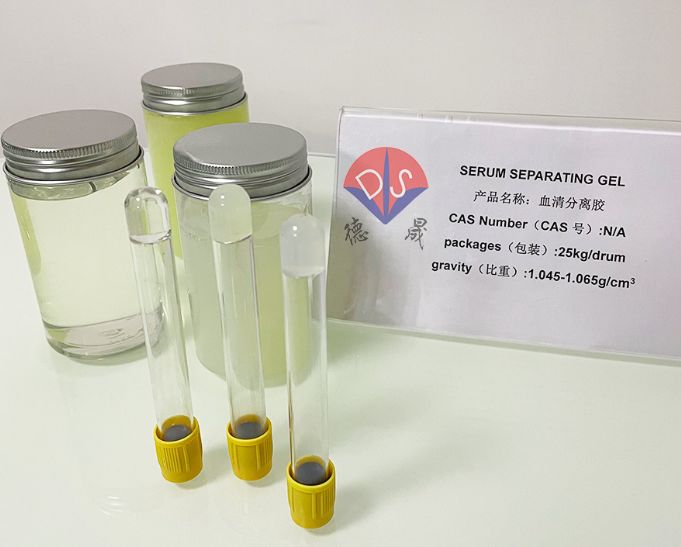
serum separation gel
Centrifuge conditions and operating techniques
Centrifuge conditions and operating techniques are key factors affecting the flipping and stratification of serum separation gels. Firstly, the selection of centrifugal speed, time, and acceleration is crucial for the flipping of serum separation gel. If the centrifugation speed is too low or the time is too short, the serum separation gel may not be able to fully form an isolation layer, leading to incomplete flipping and delamination. Secondly, the performance and stability of the centrifuge are also important factors affecting the serum separation effect. If the centrifuge malfunctions or is unstable, it may cause the serum separation gel to flip and layer during the centrifugation process. In addition, the proficiency and concentration of operators can also have an impact on the flipping and layering of serum separation gel. Therefore, during the operation process, it is necessary to strictly follow the operating specifications to ensure the accuracy of centrifugal conditions and the stability of the operation.
Quality and storage status of serum separation gel
The quality and storage status of serum separation gel have a significant impact on its flipping and layering effect. Firstly, there may be differences in the performance of serum separation gels of different brands and types. Some low-quality serum separators may not form a stable isolation layer, leading to incomplete flipping and delamination. Secondly, the storage conditions of serum separation gel can also affect its performance. If stored improperly, such as too high or too low temperature, strong light, etc., it may cause denaturation or failure of serum separation gel, thereby affecting its flipping and layering effect. Therefore, when selecting serum separation gel, products with reliable quality and stable performance should be selected, and stored and used according to the instructions.
Characteristics of blood samples
The characteristics of blood samples are also one of the reasons for incomplete flipping and stratification of serum separation gel. Firstly, the composition and status of blood can affect the flipping effect of serum separation gel. For example, factors such as the number and morphology of red blood cells in the blood, and the viscosity of plasma may affect the flipping and stratification of serum separation gels. Secondly, the use of anticoagulants can also have an impact on the flipping and layering of serum separation gels. Different types of anticoagulants may have different effects on the performance of serum separation gels, leading to incomplete flipping and delamination phenomena. Therefore, when collecting and processing blood samples, it is necessary to pay attention to selecting the appropriate type and dosage of anticoagulants to avoid negative effects on the flipping and layering effect of serum separation gel.
Solution
To address the possible reasons for incomplete flipping and stratification of serum separation gel after centrifugation, the following measures can be taken for improvement:
1. Optimize centrifugation conditions: Adjust parameters such as centrifugation speed, time, and acceleration based on specific serum separation gel and blood sample types to achieve better flipping and layering effects.
2. Choose high-quality serum separation gel: Choose a serum separation gel brand with stable performance and reliable quality to ensure its good flipping and layering effect.
3. Reasonable storage and use of serum separation gel: Store serum separation gel according to the instructions to avoid the impact of high or low temperature, light, etc. on its performance. During use, pay attention to the accuracy of the amount added and the balance of the centrifuge tube.
4. Pay attention to the collection and processing of blood samples: When collecting blood samples, pay attention to selecting the appropriate type and dosage of anticoagulants to avoid excessive dilution or coagulation of blood samples. When handling blood samples, be careful to avoid excessive stirring or shaking to avoid damaging the isolation layer of the serum separation gel.
5. Improve the technical level of operators: Strengthen training and guidance for operators, improve their proficiency and attention concentration, in order to reduce the impact of human factors on the flipping and layering effect of serum separation gel.
6. Improving the performance and environmental conditions of centrifuges: Regular maintenance and calibration of centrifuges to ensure stable and reliable performance. At the same time, pay attention to adjusting the environmental conditions such as temperature and humidity of the centrifuge to reduce its impact on the flipping and layering effect of the serum separation gel.

Product packaging
In summary, the incomplete flipping and stratification phenomenon of serum separation gel after centrifugation may be caused by multiple factors working together. By optimizing centrifugation conditions, selecting high-quality serum separation gels, properly storing and using serum separation gels, paying attention to the collection and processing of blood samples, improving the technical level of operators, and improving the performance and environmental conditions of centrifuges, this problem can be effectively solved, improving the effectiveness of serum separation and the accuracy of experimental results. Meanwhile, for laboratories, establishing strict operating procedures and quality control systems is also an important guarantee for ensuring stable and reliable serum separation results.
As an advantageous manufacturer of blood vessel additives, Desheng has developed four generations of separation gels since its establishment, continuously updating their performance and pursuing higher quality products, contributing to the development of the market. At present, the performance of the 5th generation high-performance resin separation adhesive has also been fundamentally broken through, far surpassing other similar brands of separation adhesives and receiving high praise from customers. Welcome interested parties to click on the website for more information!
Previous page
Previous page
Contact details
Contact number
Address: C8, Guanggu United Science and Technology City, Ezhou City, Hubei Province
Fax:0711-3704 589
Follow us
