


Method for labeling antibody antigen with acridine ester luminescent substrate
Release time:
2021-03-25
The chemiluminescent substrate acridinium ester can directly label proteins, antibodies, nucleic acids, etc., and different acridinium esters have different labeling methods. The general types of labeling methods will be introduced in this article.
According to the application of markers, it can be divided into chemical markers and biomarkers; the target of labeling can be small molecular substances, such as steroid hormones, drugs, etc., or macromolecular substances, such as proteins, antibodies, antigens, nucleic acids, and some compounds. The labeling process can be direct coupling (such as carbodiimide condensation) or indirect coupling (such as succinimide activation).
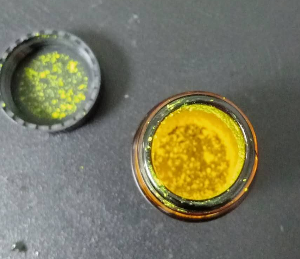
Acridinium Ester Luminescent Substrate
Carbodiimide (EDC) condensation method:
This method can be used to label free carboxyl or amino groups in protein molecules. Commonly used condensing agents include EDC, DCC, etc. No. 5 is acridinium ester NSP-SA is acridine amide containing carboxylic acid group, and it needs to add condensing agent EDCI etc. in order to have coupling reaction with amino group-containing protein.
Diazonium salt coupling method (diazotization):
This method is simple, low-cost, and reproducible, but it is not suitable for aliphatic primary amino luminescent agents, because the diazonium salt produced is unstable, and the isoluminol derivative ABEI and other primary primary amino groups are located in the side chain. .
Succinic anhydride method (internal anhydride method):
This method does not have the adverse effects of bifunctional cross-linking agents, and can realize the one-way quantitative condensation between the marker and the protein molecule, the labeling efficiency is high, and the supply of commercial reagents is mature. Our acridinium esters (No. 1 to 4) containing NHS activating groups belong to this category, which can be coupled to the amine groups of antibodies and proteins and directly labeled.
There are also the isothiocyanate derivative method commonly used by isoluminol, as well as the periodate oxidation method, glutaraldehyde method, O-(carboxymethyl) hydroxylamine method, mixed acid anhydride method, but due to more or less The restrictions on use do not go to the first few widely.
Generally speaking, enzymatic chemiluminescence substrates such as luminol are usually not directly labeled, and the luminescence performance of luminol amino group is significantly affected (isoluminol can be improved), so catalytic enzymes (such as HRP, POD, GOD) and/or cofactors (such as ATP, coenzyme NAD, etc.) to label antibodies or antigens. However, the advantage of acridinium ester is that it can be connected with a group capable of labeling, and can directly label antibodies or nucleic acids, with almost no effect on the luminescence performance.
In summary, in addition to the hydrolysis resistance and hydrophilicity of the six acridinium esters of Desheng, the labeling methods are also different. You can choose according to the type of labeled protein and antibody.
Contact details
Contact number
Address: C8, Guanggu United Science and Technology City, Ezhou City, Hubei Province
Fax:0711-3704 589
Follow us
