


Revealing the pollution problems and solutions during the use of acridine esters
Release time:
2026-02-21
In the fields of biomedical detection such as chemiluminescence immunoassay and molecular diagnostics, acridine ester, as a chemiluminescence marker, has been widely used due to its high sensitivity and low background signal advantages. However, in the actual operation process, the pollution problem of acridine ester often troubles the experimenters and affects the accuracy of the detection results. This article will systematically explain the pollution risks and effective cleaning solutions during the use of acridine esters, helping experimental personnel establish standardized operating procedures and ensure the reliability of detection results.
Pollution characteristics and risks of acridine esters
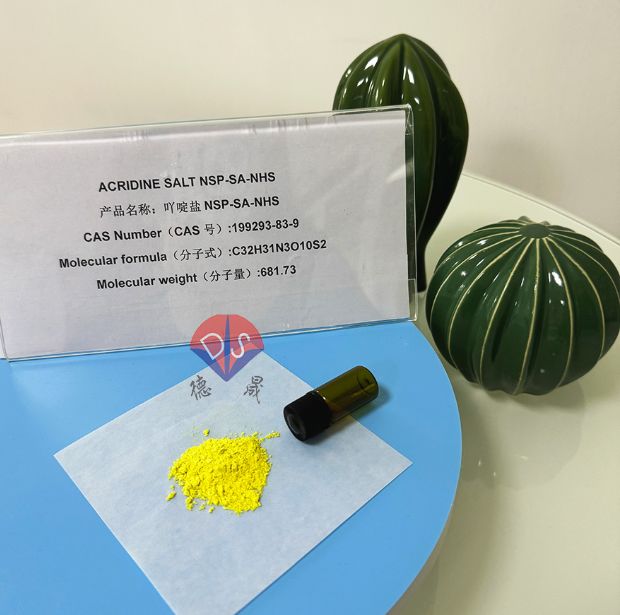
Acridine esters are a class of chemiluminescent markers containing an acridine ring structure, which can produce strong chemiluminescent signals in alkaline hydrogen peroxide solutions. However, this high sensitivity also makes it a potential source of pollution. The NHS active ester groups in acridine ester molecules are highly reactive and can undergo coupling reactions with primary amino groups in biological molecules such as proteins and nucleic acids, forming stable amide bonds. This reaction characteristic means that even trace amounts of acridine ester residue may generate non-specific signals in subsequent experiments, leading to false positive results.
Pollution control under normal operation
Under standardized experimental operating conditions, acridine esters usually do not cause pollution to the experimental environment and other objects. This is mainly due to its stable chemical properties and reasonable operating procedures. Acridine esters are usually provided in the form of freeze-dried powder and stored under low temperature and light avoidance conditions. This design suppresses hydrolysis reactions by removing moisture and prolongs reagent stability. During the weighing, dissolution, and labeling processes, using specialized vessels and consumables, and following standard operating procedures, can effectively avoid cross contamination.
The main sources of pollution
Acridine ester contamination mainly comes from improper operation or incomplete cleaning of containers. Aerosol diffusion during powder weighing is a common source of contamination when preparing solutions of acridine ester markers; Liquid splashing or contamination of the outer wall of the suction head during the pipetting process can lead to cross contamination; If the utensils and consumables are not thoroughly cleaned in a timely manner after use, residual acridine esters will contaminate subsequent experiments; The pollution on the surface of experimental tables and equipment cannot be ignored.
Scientific cleaning methods for acridine ester contamination
A scientifically effective cleaning solution is needed to address the contamination of acridine esters. Due to the good solubility of acridine ester in DMF (N, N-dimethylformamide) and DMSO (dimethyl sulfoxide), it is recommended to adopt the following cleaning process: firstly, thoroughly rinse the contaminated surface with DMF or DMSO to dissolve the residual acridine ester; Secondly, rinse repeatedly with pure water to thoroughly remove residual DMF or DMSO; For glassware, plastic consumables, etc., ultrasonic cleaning or overnight soaking can be used to enhance the cleaning effect.
Hubei Xindesheng: A professional provider of acridine ester hydrolysis
Whether it is chemiluminescence immunoassay, molecular diagnostics, or other biomedical detection fields, Hubei Xindesheng can provide customized acridine ester solutions for customers, helping them optimize experimental plans and improve detection performance. The company has a professional technical service team that can provide customers with comprehensive services such as technical consultation, sample testing, and application guidance.
Contact details
Contact number
Address: C8, Guanggu United Science and Technology City, Ezhou City, Hubei Province
Fax:0711-3704 589
Follow us
