


What raw materials can be used for PCR experiments? This article is enough!
Release time:
2026-02-14
Polymerase chain reaction (PCR), as one of the core technologies in modern molecular biology, plays an important role in many fields such as genetic testing, pathological diagnosis, and genetic research. To successfully conduct PCR experiments, selecting suitable raw materials is crucial.
Template DNA
1. Source: Template DNA can come from various biological samples, such as blood, tissues, cell cultures, etc. It is the starting material of PCR reaction and determines the target sequence for amplification.
2. Quality requirements: Template DNA should have sufficient purity and avoid impurities that inhibit PCR reactions, such as proteins, polysaccharides, phenols, etc. Meanwhile, the concentration of template DNA also needs to be appropriate, as high or low concentrations may affect the efficiency and specificity of PCR reactions.
Primer
1. Function: Primers are short single stranded DNA or RNA fragments that complement specific sequences on template DNA. In PCR reactions, primers play a role in guiding DNA polymerase to synthesize new DNA strands.
2. Design principle: Primer design needs to follow principles to ensure the specificity and efficiency of PCR reactions. The primer length is generally 18-30 nucleotides, with a GC content between 40% -60%, to avoid the formation of secondary structures and primer dimers. The 3 'end of the primer should be complementary to the template DNA, and the 5' end can be modified as needed.
3. Synthesis and quality control: Primers can be prepared by chemical synthesis methods. The synthesized primers require quality control, including purity testing, concentration determination, and sequence validation. High quality primers can improve the specificity and efficiency of PCR reactions.
DNA polymerase
1. Types: Currently, commonly used DNA polymerases include Taq polymerase, Pfu polymerase, Vent polymerase, etc. Different DNA polymerases have different characteristics and are suitable for different PCR experimental needs.
2. Function: DNA polymerase plays a central role in PCR reactions, using template DNA as a template and dNTPs as substrates to synthesize new DNA strands. The activity, thermal stability, and fidelity of DNA polymerase directly affect the efficiency and accuracy of PCR reactions.
3. Principle of selection: When choosing DNA polymerase, it is necessary to consider the needs and characteristics of the experiment. For example, if high fidelity PCR reaction is required, DNA polymerase with high fidelity can be selected; If rapid PCR reaction is required, DNA polymerase with fast extension speed can be selected.
DNTPs (deoxyribonucleoside triphosphate)
1. Composition: dNTPs include dATP, dCTP, dGTP, and dTTP, which are substrates for PCR reactions and provide the nucleotides needed to synthesize new DNA strands.
2. Quality requirements: dNTPs should have sufficient purity to avoid impurities and degradation products. At the same time, the concentration of dNTPs also needs to be appropriate, as too high or too low a concentration may affect the efficiency and specificity of PCR reactions.
3. Storage and use: dNTPs should be stored under appropriate conditions to avoid repeated freezing and thawing. When using, the concentration of dNTPs should be accurately prepared according to experimental requirements to avoid waste and errors.
Biological buffer
1. Function: Buffer plays a role in maintaining pH stability, providing appropriate ion strength, and promoting enzyme activity in PCR reactions.
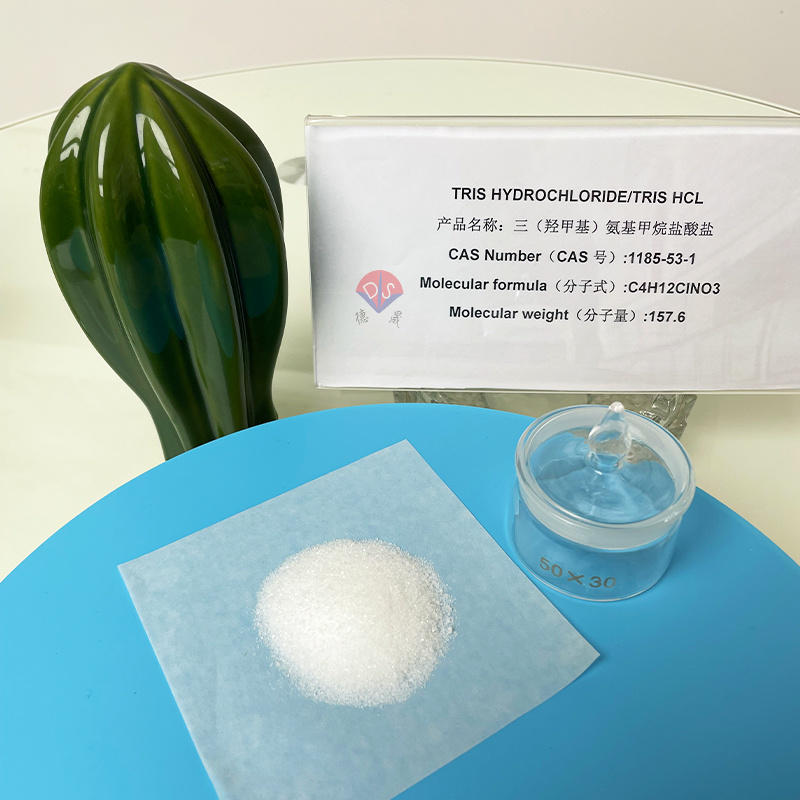
2. Composition: The buffer solution is usually composed of Tris HCl, KCl, MgCl ₂, etc. Among them, MgCl ₂ is an activator of DNA polymerase, and its concentration has a significant impact on the efficiency and specificity of PCR reaction.
3. Selection and optimization: Different PCR reactions may require different buffer compositions and conditions. When selecting a buffer solution, it is necessary to consider the needs and characteristics of the experiment, such as the type of DNA polymerase and the properties of the template DNA. Meanwhile, the efficiency and specificity of PCR reactions can be improved by optimizing the composition and conditions of the buffer solution.
To ensure the accuracy and reliability of PCR experiments, positive and negative controls can be set up. The positive control is a template DNA containing the target sequence, used to validate the PCR reaction; The negative control is a template DNA without the target sequence, used to detect the presence of contamination during the experimental process.
The raw materials used for PCR experiments mainly include template DNA, primers, DNA polymerase dNTPs、 Buffer solution and other auxiliary materials. When conducting PCR experiments, it is necessary to select suitable raw materials according to the needs and characteristics of the experiment, and strictly control the quality and usage conditions of the raw materials. Meanwhile, the efficiency and accuracy of PCR experiments can also be improved by optimizing experimental conditions and methods. As an IVD raw material production enterprise, Desheng can supply enzyme preparations, biological buffering agents and other products suitable for PCR experiments, with low prices and stable performance. If you are interested, please feel free to click on the website to inquire about details and purchase at any time!
Previous page
Previous page
Contact details
Contact number
Address: C8, Guanggu United Science and Technology City, Ezhou City, Hubei Province
Fax:0711-3704 589
Follow us
