


Is the instability of IVD experimental batches a nightmare for the experiment? Supplier screening guide to help you
Release time:
2025-09-24
In scientific research experiments and industrial production, the batch stability of raw materials such as reagents and consumables directly affects the results. The purity fluctuations and performance deviations between different batches of the same product may lead to repeated experimental failures, data contradictions, and even project delays. Batch instability has become a common problem that troubles laboratories and production enterprises, and selecting suppliers who can stably control batch quality is the key to solving this problem from the source.

Clarify the core indicators of batch stability
The batch stability indicators of different raw materials vary significantly, and the core parameters need to be clarified according to the experimental scenario. For Tris buffer, attention should be paid to purity, pH value, and impurity content; Biological reagents (such as antibodies) need to be controlled for potency, purity (single SDS-PAGE band), and activity (EC50 fluctuation ≤ 15%); Quantify key parameters into detectable standards, avoid vague descriptions (such as "high purity" and "good performance"), and provide clear basis for supplier screening.
Evaluating supplier qualifications: a comprehensive assessment of the entire chain from production to quality control
(1) Standardization level of production process
A stable production process is the foundation for batch consistency, and it is important to focus on:
1. Automation level: whether continuous production lines (such as automated batching and purification systems for buffering agents) are used to reduce deviations caused by manual operations;
2. Key process parameters, such as reaction temperature, stirring rate, and drying time, are recorded and monitored;
3. Raw material traceability: whether strict screening is carried out on upstream raw materials. If the reagent grade raw materials need to provide a supplier quality inspection report, it is necessary to avoid the transmission of raw material batch fluctuations to the finished product.
(2) Integrity of quality control system
1. Testing coverage: whether full testing (rather than just sampling) is conducted on each batch of products, and whether the testing items cover the key parameters defined in the early stage;
2. Scientificity of detection methods: whether recognized methods such as HPLC for purity and ELISA for antibody potency are used; Priority should be given to suppliers who have obtained certifications such as ISO9001 and ISO13485, as their quality control systems are more standardized.
Empirical verification: combination of small-scale trial and long-term monitoring
(1) Multi dimensional testing for small batch trials
1. Short term stability test: The same batch of samples is tested in 3 batches (with an interval of 24 hours), and the daily CV is calculated. It is required to be ≤ 3% to eliminate detection error interference;
2. Multi batch comparison: Purchase 3 consecutive batches, test key parameters under the same conditions, calculate inter batch CV, and meet the standards set in the previous stage;
(2) Reference historical data and user feedback
1. Historical batch records: Suppliers are required to provide quality inspection reports for the past 6 months, calculate the fluctuation range of key parameters, and determine their long-term stability;
2. Field visit: Core suppliers can visit the production base to observe the zoning management of the raw material warehouse, equipment configuration in the production workshop and quality control laboratory.
Establishing a cooperative mechanism: dynamic management and risk sharing
If the difference between batches exceeds the standard, the supplier shall unconditionally return or exchange the goods and bear the resulting experimental losses. Choose 1-2 suppliers with excellent batch stability to establish long-term cooperation, which can be achieved by increasing procurement volume in exchange for stricter quality control commitments; At the same time, retain 2-3 qualified suppliers and conduct regular small-scale procurement verification to avoid single supply risks (such as sudden production capacity issues of a certain supplier);
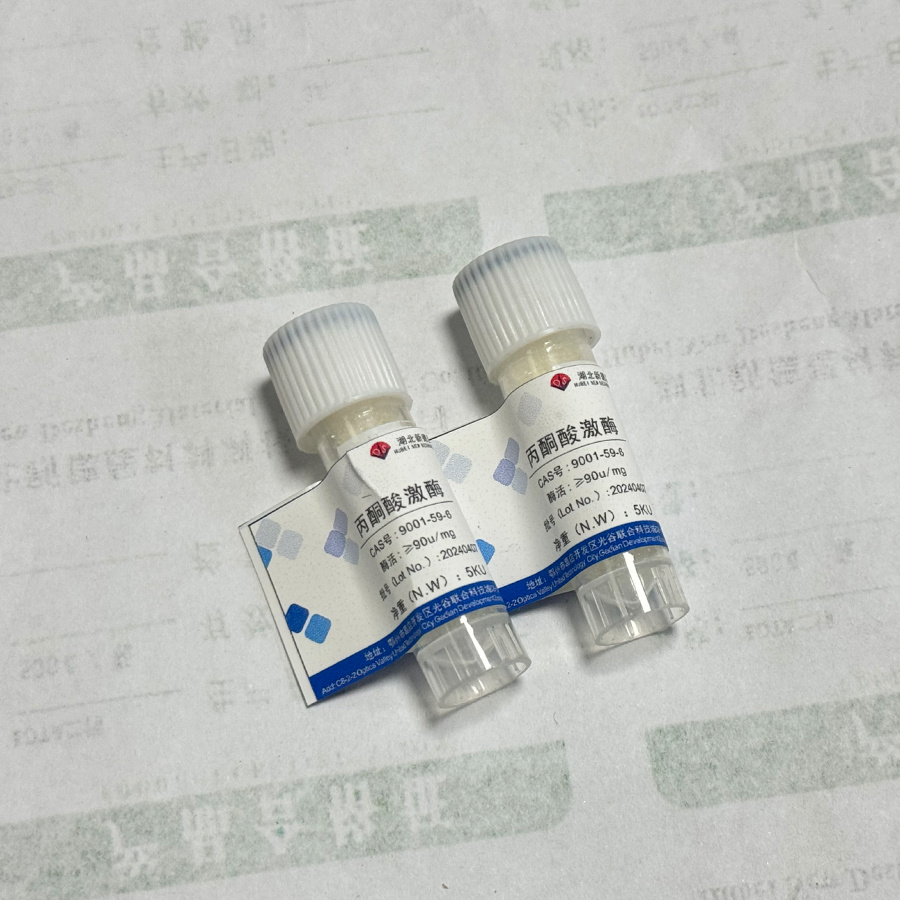
The essence of selecting suppliers with stable batches is to find a balance between "demand cost reliability". By clarifying indicators, rigorous evaluation, empirical verification, and mechanism constraints, it is possible to avoid experimental failures caused by batch instability and prevent resource waste caused by excessive investment.
As an upstream IVD reagent supplier, Hubei Xindesheng Company focuses on core categories such as biological buffering agents, luminescent reagents, chromogenic substrates, enzyme preparations, etc., which can meet the needs of multiple fields such as biochemical diagnosis and immune testing. The company relies on standardized production processes to control the entire process of raw material screening, process parameters, and finished product testing, ensuring batch stability. We can provide flexible supply from gram level to ton level, and provide quality inspection reports and usage guidance. If you have any purchasing needs, please feel free to contact us at any time!
Contact details
Contact number
Address: C8, Guanggu United Science and Technology City, Ezhou City, Hubei Province
Fax:0711-3704 589
Follow us
