


Chemiluminescence Immunoassay (CLIA): The Historical Process and Future Light of IVD Industry
Release time:
2025-04-06
As a major niche in the field of in vitro diagnostics (IVD), chemiluminescence immunoassay (CLIA) has shown rapid growth in the domestic market in recent years. According to statistics, the domestic chemiluminescence market will reach nearly 50 billion yuan in 2023, becoming a highly promising and competitive technology direction in the IVD industry. The rise of the domestic chemiluminescence market has gone through 20 years of precipitation and baptism. Nowadays, despite fierce market competition, there are still over 200 chemiluminescence companies active in this field in China. Next, let's review the historical process of chemiluminescence together, summarize the past, and look forward to the future.

chemiluminescence reagent
The development process of chemiluminescence technology
The development of chemiluminescence immunoassay technology can be divided into four main stages, and the innovation of each generation of technology has promoted the progress of the industry.
The first generation reagent: using isoluminol as the luminescent marker and adopting the chemiluminescent immunoassay (CLIA) method, as an earlier luminescent marker, although it has high sensitivity, its luminescence intensity is weak, which limits its wide application in clinical testing.
Second generation reagent: Using chemiluminescent enzyme immunoassay (CIEIA) method, using horseradish peroxidase (HRP) labeled luminol as the luminescent marker. The representative enterprise of this technology is Johnson&Johnson. Compared to the first generation reagents, the luminescence intensity of the second generation reagents has significantly increased, and the detection sensitivity has also been further improved.
Third generation reagents: Two main technological routes have emerged in this stage. One is the CLIA reagent using acridine ester as a marker, represented by companies such as Abbott and Siemens; Another method is to use alkaline phosphatase (ALP) to label AMPPD as luminescent material in CIEIA reagents, represented by Beckman and Siemens. Acrylamide ester and AMPPD, as new generation luminescent markers, have higher luminescence efficiency and stability, promoting the widespread application of chemiluminescence technology.
The emergence of the fourth generation reagent, electrochemiluminescence reagent (ECLIA), marks a new era in chemiluminescence technology. In 1996, Roche introduced electrochemiluminescence technology, and after its patent expired in 2016, domestic companies such as Pumen Technology began to expand into this field. Electrochemiluminescence technology has higher sensitivity, wider detection range, and better stability, becoming a new benchmark in the field of chemiluminescence.
The competitive landscape of the domestic chemiluminescence market
The rise of the domestic chemiluminescence market began 20 years ago. After years of development, domestic enterprises have made significant progress in this field. At present, the domestic chemiluminescence market presents a pattern of "foreign giants dominating and local enterprises rising". Foreign companies such as Roche, Abbott, Siemens, and Beckman have gained a significant market share through their first mover advantage and technological accumulation. However, with the continuous advancement of domestic enterprise technology and optimization of market strategies, local enterprises are rapidly rising and gradually narrowing the gap with foreign giants.
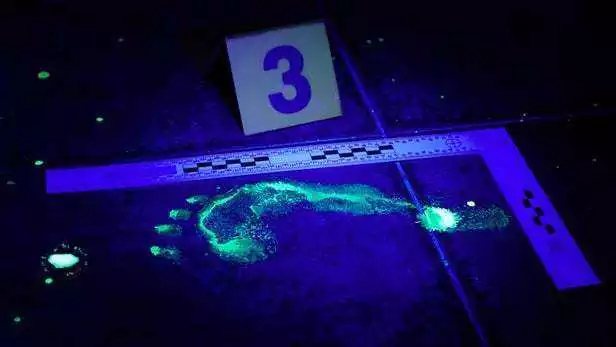
chemiluminescence
Behind the rapid development of the chemiluminescence industry, the support of upstream raw material suppliers is indispensable. As a core raw material supplier in the IVD industry, Desheng New Materials has always been committed to providing high-quality products such as acridine ester, luminol and other chemiluminescence markers for enterprises. Desheng New Materials is willing to work together with industry colleagues, driven by innovation and based on quality, to jointly promote the progress of chemiluminescence technology and contribute to the cause of human health. The future has arrived, let us be full of confidence and stride forward!
Contact details
Contact number
Address: C8, Guanggu United Science and Technology City, Ezhou City, Hubei Province
Fax:0711-3704 589
Follow us
