


Have you learned the correct cleaning method for the serum separation gel hopper?
Release time:
2025-03-09
As a conventional additive for blood collection tubes, many people are familiar with the usage and precautions of serum separation gel. However, the maintenance of the serum separation gel feeding hopper, especially its cleaning work, is often overlooked. The correct cleaning method can not only extend the service life of the equipment, but also ensure good separation results in each experiment. This article will provide a detailed introduction on how to properly clean the serum separation gel feeding hopper, helping laboratory staff to manage and maintain this important tool more conveniently.
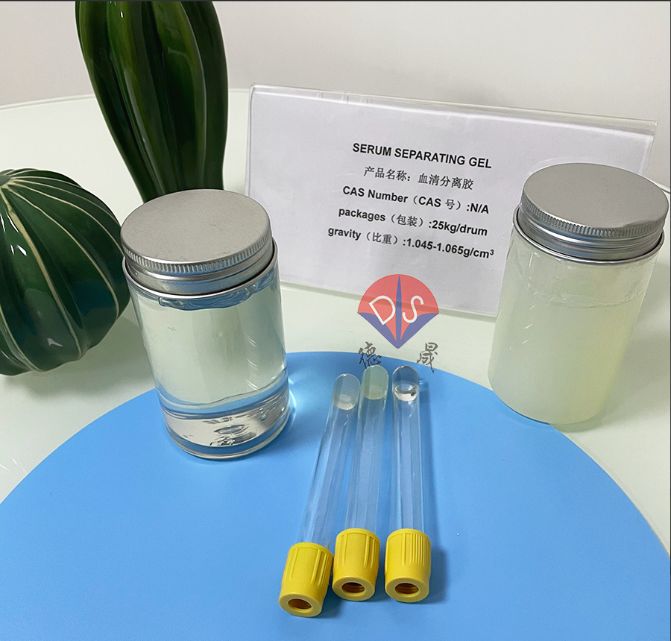
serum separation gel
1、 The Importance of Cleaning
The serum separation gel hopper, as a key component connecting the separation gel bottle and the test tube, has a direct impact on the separation efficiency due to its cleanliness. When replacing separation gels from different manufacturers, there may be differences in the composition of separation gels from different brands. If the serum separation gel hopper is not thoroughly cleaned, residual old colloids may mix with new colloids, affecting the separation effect. In addition, the feeding hopper that is not used for a long time and exposed to the air is prone to accumulate dust, impurities, and even microorganisms, which can also have adverse effects on the separation process. Therefore, regular cleaning of the serum separation gel hopper is a necessary step to ensure the accuracy of experimental results.
2、 Preparation before cleaning
Power outage and disassembly: Ensure that the equipment is completely powered off to ensure operational safety. Then, follow the instructions in the equipment manual to disassemble the serum separation gel hopper and its related components for comprehensive cleaning.
Prepare tools and materials: Prepare stainless steel spatula, brush, DMC (dimethyl silicone oil), D4 (octamethylcyclotetrasiloxane) and other solvents, as well as a clean cloth. These tools and materials will be used to remove residual colloids and dirt inside and outside the serum separation gel hopper.
3、 Cleaning steps
Preliminary removal: Use a stainless steel spatula to gently scrape off the colloids around the surface of the serum separation gel hopper. Pay attention to moderate force to avoid damaging the surface of the feeding hopper. For parts that are difficult to scrape off, a brush can be used to assist in cleaning.
Solvent cleaning: Dip the brush into an appropriate amount of DMC or D4 solvent and carefully clean every corner inside and outside the serum separation gel hopper. Solvent can dissolve residual colloids, making them easier to remove. For the feeding tube, solvent cleaning is also required to ensure that there are no residues inside.
Careful wiping: Dip a clean cloth in a small amount of solvent and carefully wipe the inner and outer surfaces of the serum separation gel hopper until fully dry. Pay special attention to wiping the edges and gaps of the feeding hopper to ensure that there are no omissions.
Natural drying: Place the cleaned serum separation gel feeding hopper in a well ventilated area and let it dry naturally. Ensure that the feeding hopper is fully dried before reassembling to avoid secondary pollution caused by residual moisture.

Product packaging
The correct cleaning of the serum separation gel feeding hopper is an important task that cannot be ignored, as it directly affects the accuracy of experimental results and the service life of the equipment. By following the above steps, we can ensure that the serum separation gel hopper is always kept clean, providing reliable assurance for every experiment. I hope the introduction provided by Desheng New Materials editor can be helpful to laboratory staff and jointly promote the scientific and standardized development of medical laboratory work.
Contact details
Contact number
Address: C8, Guanggu United Science and Technology City, Ezhou City, Hubei Province
Fax:0711-3704 589
Follow us
