


Analysis of Tris, PEP, and Malate Dehydrogenase Components in Carbon Dioxide Measurement Kit
Release time:
2025-02-14
In clinical diagnosis and biochemical research, the carbon dioxide detection kit can accurately measure the content of carbon dioxide in biological samples, providing important basis for the diagnosis and research of various diseases. Among them, Tris base, PEP, and malate dehydrogenase play important roles in the detection principle and performance of the kit.
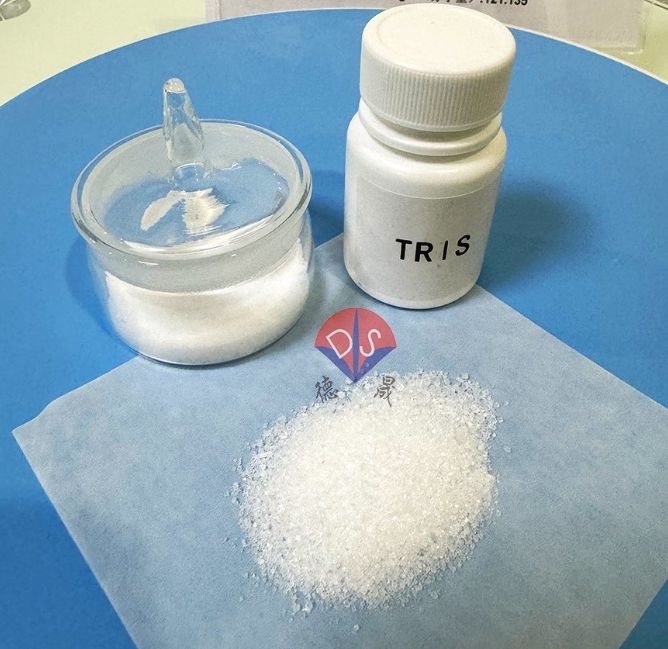
Tris Base powder
Tris buffer solution
1. Principle of buffering effect: Tris, as a commonly used buffering agent, is mainly used to maintain the stable pH value of the reaction system in reagent R1 of the carbon dioxide determination kit. Tris can resist changes in hydrogen ion concentration caused by chemical reactions within a specific range. In solution, Tris molecules can neutralize acidic or alkaline substances by accepting or releasing protons, thereby keeping the pH of the reaction system relatively constant. For the carbon dioxide measurement reaction, Tris buffer provides ideal working conditions for many enzymes involved in the reaction, as their activity is highly sensitive to pH. This ensures that the reaction can proceed accurately.
2. Impact on the stability of the reaction system: Tris buffer not only stabilizes pH, but also reduces changes in other reagent components caused by pH fluctuations, such as preventing changes in certain ionization states. In complex reaction systems, other components such as substrates and coenzymes may undergo structural changes or loss of activity due to pH changes, and the presence of Tris can avoid this situation.
Phosphoenolpyruvate (PEP)
1. Substrate role in the reaction: PEP is one of the key substrates in the carbon dioxide assay kit. Under the catalytic action of phosphoenolpyruvate carboxylase (PEPC), PEP undergoes carboxylation reaction with carbon dioxide. This reaction is the starting step of the entire carbon dioxide measurement process, and the concentration and activity of PEP directly affect the reaction rate and carbon dioxide capture efficiency. The chemical structure of PEP gives it high reactivity, and its phosphoenolic bond contains high energy, which can provide energy for the formation of new chemical bonds in carboxylation reactions, driving the reaction towards the formation of oxaloacetate.
2. Synergistic effect with other components: PEP closely synergizes with other components in the kit. Its interaction with PEPC is a key step in the determination of carbon dioxide, as PEPC specifically recognizes and catalyzes the reaction between PEP and carbon dioxide. Meanwhile, the concentration of PEP needs to be maintained in appropriate proportions with other substrates, coenzymes, and other components. For example, in subsequent reactions involving malate dehydrogenase and reduced coenzyme I (NADH), the products generated by the carboxylation reaction involving PEP will further participate in the entire reaction chain, and the amount of reaction products will affect the progress of subsequent malate dehydrogenase catalyzed reactions, indirectly affecting the determination of carbon dioxide content by detecting changes in NADH absorbance.
Malate dehydrogenase (MDH)
Malate dehydrogenase plays an important catalytic role in carbon dioxide detection kits. During the reaction process, it catalyzes the conversion of oxaloacetate to malic acid. This reaction is accompanied by the oxidation of reduced coenzyme I (NADH), where NADH loses electrons and protons and is converted to oxidized coenzyme I (NAD ⁺). The catalytic action of malate dehydrogenase is one of the key steps in the entire reaction system, and its activity determines the rate of conversion of oxaloacetate to malic acid, thereby affecting the progress of the entire reaction chain.

Product packaging
Tris PEP、 The components such as malate dehydrogenase cooperate with each other to form a complex and precise reaction system. Each component plays an indispensable role in maintaining the stability of the reaction system, catalyzing the reaction, and achieving accurate detection. At the same time, other auxiliary components and calibration standards also jointly ensure the performance of the reagent kit, enabling it to accurately measure carbon dioxide content in clinical and scientific research. Hubei Xindesheng Material Technology Co., Ltd., as Tris PEP、 The manufacturer of malate dehydrogenase can supply advantageous raw materials, with direct sales from the manufacturer, in stock inventory, and applicable in various reagent kits. Welcome interested parties to click on the website for consultation!
Contact details
Contact number
Address: C8, Guanggu United Science and Technology City, Ezhou City, Hubei Province
Fax:0711-3704 589
Follow us
