


How to use chemiluminescence reagent acridine ester in in in vitro diagnostic kit
Release time:
2024-11-27
In the field of in vitro diagnostics, chemiluminescence technology has become one of the important detection methods due to its high sensitivity, wide linear range, and rapid detection advantages. Acridine ester, as a commonly used chemiluminescence reagent, plays a crucial role in in in vitro diagnostic kits. Below, we will discuss in detail how the chemiluminescence reagent acridine ester can be used in in vitro diagnostic kits.
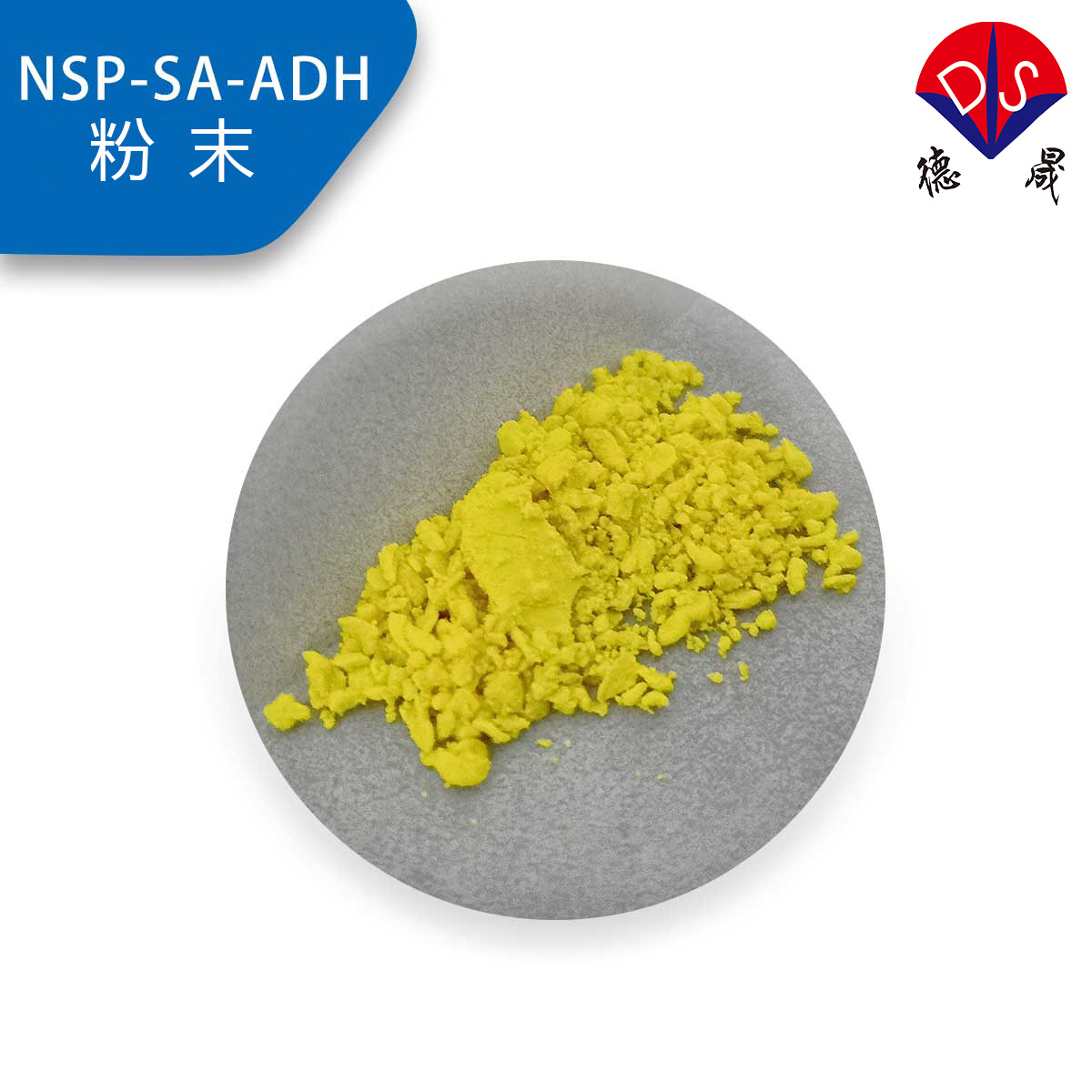
Acridine esters powder
Characteristics and advantages of acridine ester
1. High sensitivity: Acridine esters have high chemiluminescence efficiency and can generate strong light signals. This gives it a significant advantage in detecting low concentrations of biomarkers, as it can detect trace amounts of target substances and improve diagnostic accuracy.
2. Rapid response: The chemiluminescence reaction of acridine ester is fast and can generate stable light signals in a short period of time. This is very important for in vitro diagnostic kits that require rapid detection results, as it can greatly shorten detection time and improve detection efficiency.
3. Wide linear range: The luminescence intensity of acridine ester is linearly related to the concentration of the target substance over a wide range, making it suitable for biomarker detection at different concentration levels. It can accurately detect early disease markers at low concentrations to severe disease states at high concentrations.
4. Good stability: Acridine ester has good stability under specific conditions and can maintain its activity during storage and transportation of the reagent kit, which helps to ensure the quality and reliability of the kit and extend its shelf life.
The mechanism of action of acridine esters in in vitro diagnostic kits
1. Labeling antibodies or antigens: In vitro diagnostic kits, acridine esters are commonly used to label antibodies or antigens. By chemical reactions, acridine esters are bound to antibodies or antigens to form markers. When the marker specifically binds to the target substance in the sample, acridine ester is activated, producing a chemiluminescence signal.
2. Chemiluminescence reaction: When acridine ester is activated, it undergoes a chemiluminescence reaction under specific conditions, which involves the presence of oxidants such as hydrogen peroxide. Acridine ester undergoes a series of chemical reactions under the action of oxidants, releasing photons and generating optical signals.
3. Detecting optical signals: The detection system in the in vitro diagnostic kit will detect the optical signals generated by acridine esters and convert them into electrical or digital signals. By measuring and analyzing the intensity of the optical signal, the concentration of the target substance in the sample can be determined.
Application steps of acridine ester in in vitro diagnostic kit
1. Sample processing: The sample needs to be appropriately processed to remove interfering substances and release target substances, including centrifugation, filtration, dilution, and other operations, depending on the type of sample and the requirements of the detection.
2. Reagent preparation: Mix reagents containing antibodies or antigens labeled with acridine ester with other required reagents to prepare a detection solution.
3. Sample addition and reaction: Add the processed sample to the detection solution to allow the target substance in the sample to specifically bind to the acridine ester labeled antibody or antigen. Under specific temperature and time conditions, allow the reaction to proceed fully, ensuring that the binding of the marker and the target substance reaches the ideal state.
4. Detecting optical signal: Place the reacted solution into a detection instrument to detect the optical signal generated by acridine ester. Detection instruments usually calculate the concentration of the target substance in the sample based on the intensity of the light signal and display the results.
5. Result analysis and reporting: Based on the test results, analyze and determine the target substance in the sample. If the result exceeds the normal range, it may indicate an abnormal situation. Present the test results in the form of a report to doctors or patients, providing a basis for clinical diagnosis.

Product packaging
The chemiluminescence reagent acridine ester has important application value in in vitro diagnostic kits. By labeling antibodies or antigens, undergoing chemiluminescence reactions, and detecting light signals, acridine esters can achieve high sensitivity and rapid detection of target substances in samples. As a manufacturer of acridine ester raw materials, Desheng can supply analytical grade products with fast luminescence, sensitivity, and stability. If you are interested, please feel free to click on the website for more information and purchase!
Contact details
Contact number
Address: C8, Guanggu United Science and Technology City, Ezhou City, Hubei Province
Fax:0711-3704 589
Follow us
