


The effect of temperature on the chemiluminescence reagent acridine ester
Release time:
2024-11-23
Acridine ester plays an indispensable role as a chemiluminescence marker in various fields such as biomedical research, clinical diagnosis, and environmental monitoring. Its luminescent properties make it have broad application prospects in quantitative analysis, immune detection, and biological imaging. However, to fully unleash the potential of acridine esters, it is necessary to have a deep understanding and control of various factors that affect their stability and luminescent activity, among which temperature is a crucial factor.
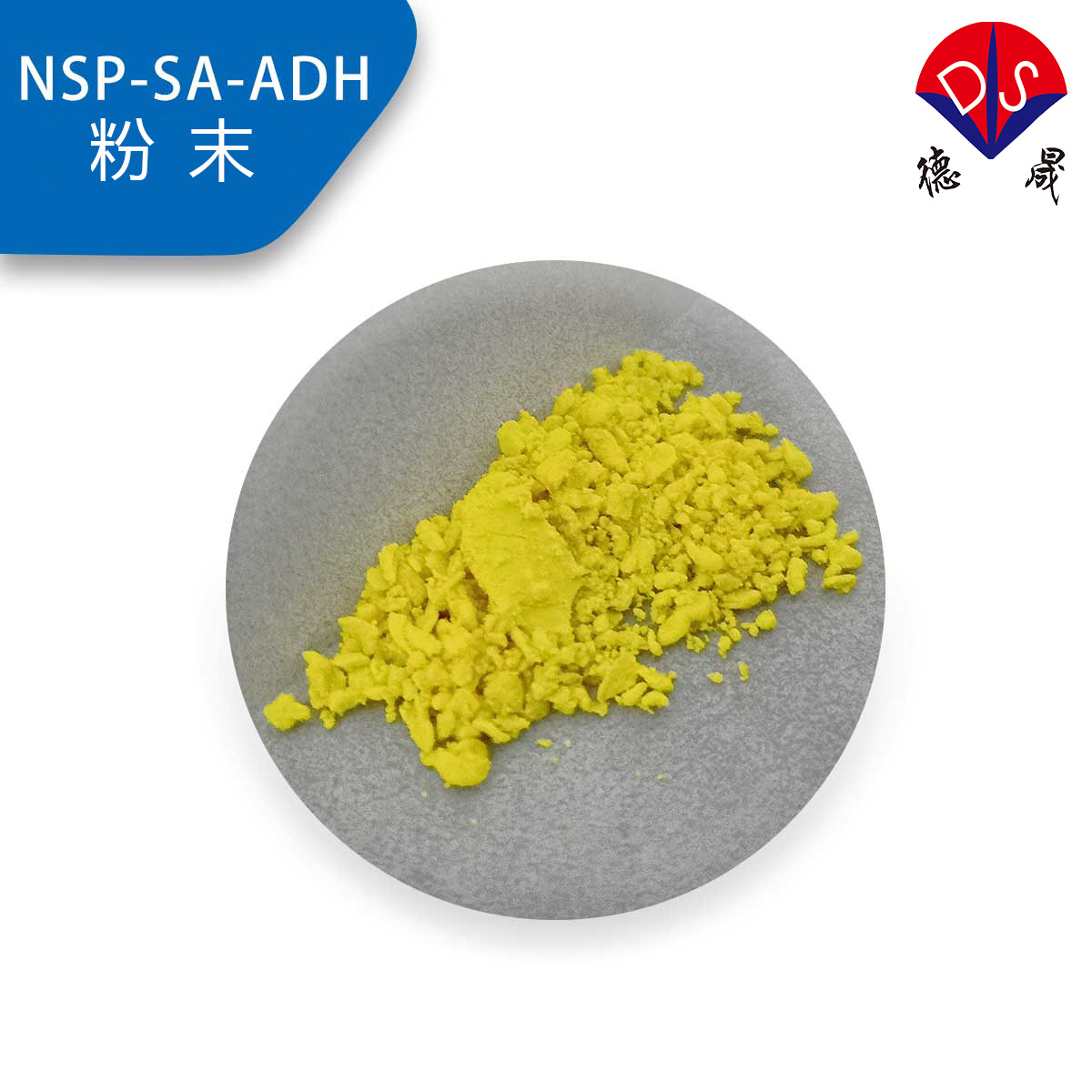
acridine esters powder
The Effect of Temperature on the Stability of Acridine Esters
Stability is one of the important indicators for evaluating the quality of acridine esters. In high temperature environments, the chemical bonds inside acridine ester molecules are easily disrupted by heat and can break or undergo rearrangement, leading to adverse reactions such as hydrolysis and oxidation, resulting in a decrease in their stability. This decrease in stability not only affects the storage life of acridine esters, but also introduces errors during the experimental process, affecting the accuracy of the results.
Specifically, high temperature accelerates the hydrolysis reaction of acridine ester. Under alkaline conditions, this reaction is particularly significant. The generation of hydrolysis products can alter the chemical properties of the solution, thereby affecting the luminescent properties and biological activity of acridine esters. In addition, high temperatures may accelerate the interactions between acridine esters and other substances, such as non-specific binding or polymerization reactions, which further reduce their stability.
Therefore, in order to maintain the stability of acridine esters, it is necessary to strictly control the temperature conditions during storage and experimental processes. It is usually recommended to store acridine esters in a low-temperature environment, such as a refrigerator or freezer, to slow down their hydrolysis and oxidation reaction rates. At the same time, it is also necessary to avoid exposing the reagents to high temperatures during the experimental process to reduce adverse effects on the stability of the reagents.
The Effect of Temperature on the Luminescence Activity of Acridine Esters
Luminescence activity is the core characteristic of acridine esters as chemiluminescent markers. It determines whether acridine ester can emit bright and stable fluorescence signals under specific conditions, thereby achieving the detection and analysis of target substances. However, temperature also has a significant impact on the luminescent activity of acridine esters.
Under high temperature conditions, the luminescence activity of acridine esters will significantly decrease. This is mainly because high temperature can destroy the excited state structure of acridine ester molecules, making it difficult for them to return to the ground state and emit fluorescence. In addition, high temperatures may accelerate the interaction between acridine esters and other substances, leading to adverse phenomena such as fluorescence quenching or energy transfer. All of these will reduce the luminescence efficiency and sensitivity of acridine esters, thereby affecting their application effectiveness in experiments.
In order to maintain the luminescent activity of acridine esters, it is also necessary to strictly control the temperature conditions. During storage and experimentation, it is advisable to avoid exposing reagents to high temperatures as much as possible to minimize adverse effects on luminescence activity. Meanwhile, the luminescence efficiency and stability of acridine esters can be further improved by optimizing experimental conditions such as pH value and ionic strength.
The Importance and Strategy of Temperature Control
In summary, temperature has a significant impact on the stability and luminescent activity of acridine esters. Therefore, when storing and using acridine esters, it is necessary to strictly control the temperature conditions to ensure the stability and reliability of their performance. Here are some temperature control strategies:
1. Storage conditions: Store acridine ester in a low-temperature environment (such as a -20 ℃ refrigerator or freezer) to slow down its hydrolysis and oxidation reaction rates. At the same time, it should be ensured that the storage container has good sealing to prevent air and moisture from entering.
2. Experimental process: During the experiment, it is advisable to avoid exposing the reagents to high temperatures as much as possible. The experimental temperature can be controlled by using methods such as ice bath, water bath, or constant temperature equipment. In addition, attention should be paid to avoiding vigorous stirring and shaking during the operation to prevent damage to the reagent molecules.
3. Quality monitoring: Regularly monitor the quality of stored acridine esters to ensure their stability and luminescence activity meet experimental requirements. The quality condition can be evaluated by measuring indicators such as luminescence intensity and hydrolysis product content.
4. Optimize experimental conditions: During the experiment, the luminescence efficiency and stability of acridine ester can be further improved by optimizing conditions such as pH value and ion strength. The optimization of these conditions needs to be adjusted according to specific experimental requirements and reagent characteristics.
In summary, temperature is one of the important factors affecting the stability and luminescent activity of acridine esters. By strictly controlling the temperature conditions during storage and experimental processes, as well as taking other quality control measures, it is possible to ensure that acridine esters play a greater role in biomedical research, clinical diagnosis, and environmental monitoring.
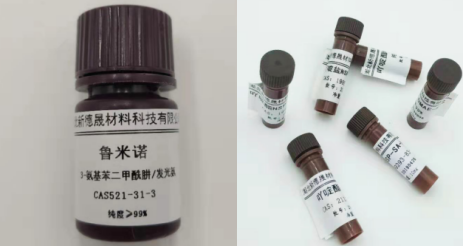
Product packaging
As a professional supplier of chemiluminescence reagents, Desheng can provide raw material powders with stable luminescence and high sensitivity, and is equipped with 6 different functional groups for customers to freely choose, ready to use, and easy to experiment. If you have any relevant intentions, please feel free to contact us for purchase at any time!
Contact details
Contact number
Address: C8, Guanggu United Science and Technology City, Ezhou City, Hubei Province
Fax:0711-3704 589
Follow us
