


Can adding separation gel and EDTA dipotassium in blood collection tubes be used for HBV-DNA detection
Release time:
2024-11-01
In clinical medicine, the collection, processing, and testing of blood samples are key steps in diagnosing diseases and evaluating health status. Especially in DNA testing for hepatitis B virus (HBV), adding specific components such as serum gel and EDTA dipotassium to the blood collection tube plays an important role in ensuring the test results.

Dipotassium EDTA powder
The Importance of HBV-DNA Testing
HBV seriously affects health and can lead to serious consequences such as liver and kidney function damage. Therefore, early and accurate diagnosis of HBV infection is of great significance for the prevention and control of the disease. HBV-DNA testing, as an important indicator directly reflecting the virus status and infectivity, has become a routine means of clinical diagnosis and monitoring.
The role of components in blood collection tubes
As an important tool for blood sample collection and preservation, the components added to blood collection tubes have a direct impact on the quality of blood samples and subsequent testing results. In HBV-DNA testing, serum separation gel and dipotassium EDTA are often added to blood collection tubes, each of which plays a special role:
1. Serum separation gel
Serum separation gel is a colloidal substance with a density between red blood cells and serum, typically with a specific gravity between 1.045-1.065g/cm ³. After adding serum separation gel to the blood collection tube, when the blood sample is left to stand for a period of time, due to the effects of gravity and colloidal properties, red blood cells will settle to the bottom of the tube, while serum floats above, forming a clear interface between the two, known as the "serum layer". This process helps to obtain high-quality serum faster and more accurately, and also prevents hemoglobin and other components in red blood cells from interfering with subsequent nucleic acid testing experiments.
The application of serum separation gel is particularly important in HBV-DNA detection. Because HBV-DNA mainly exists in plasma, and components such as hemoglobin in red blood cells may interfere with the sensitivity and specificity of nucleic acid detection techniques such as PCR. By using serum separation gel, it is possible to ensure that the extracted samples are not contaminated, thereby improving the accuracy of HBV-DNA detection.
2. Potassium EDTA
EDTA (ethylenediaminetetraacetic acid) is a commonly used anticoagulant, and its potassium salt form (dipotassium EDTA) is also widely used in blood collection tubes. EDTA dipotassium can bind with calcium ions in the blood to form stable chelates, thereby preventing the activation of prothrombin during blood clotting and achieving anticoagulant effects. In HBV-DNA testing, dipotassium EDTA has a stabilizing effect on cell structure and can protect DNA in the blood from degradation. This is particularly important for HBV-DNA testing, as the integrity and stability of HBV-DNA directly affect the test results.
The operational process of adding separation gel and EDTA dipotassium in HBV-DNA detection in blood collection tubes
In practical operation, the process of adding separation gel and EDTA dipotassium in the blood collection tube needs to strictly follow the specifications. The following is a general operating procedure:
1. Prepare EDTA dipotassium and separation gel: EDTA dipotassium powder needs to be dissolved in deionized water to prepare a solution of specific concentration and content. This step requires ensuring that the powder is fully dissolved and avoiding any form of contamination.
2. Cleaning machines and containers: When using automated equipment for blood collection tube production, it is necessary to clean the machines and containers, including cleaning the containers and delivery pipelines, before adding anticoagulants to ensure that there are no impurities or water adhering to the containers and pipe walls, thereby avoiding contamination caused by anticoagulants.
3. Adjust machine parameters: Determine the amount or volume of separation gel and EDTA dipotassium that needs to be added based on the planned production volume of the blood collection tube, and adjust the key values on the machine to ensure that the amount added meets the requirements.
4. Collect blood samples: Use prepared blood collection tubes to collect blood samples from patients, and ensure that sterile operation principles are followed during the collection process.
5. Sample processing: The collected blood sample is left to stand for a period of time, and then the plasma can be further separated for HBV-DNA detection through specific centrifugation methods.
6. HBV-DNA detection: HBV-DNA detection is performed on isolated plasma samples using nucleic acid detection techniques such as PCR. Based on the test results, it can be determined whether the patient is infected with HBV and the status and infectivity of the virus.
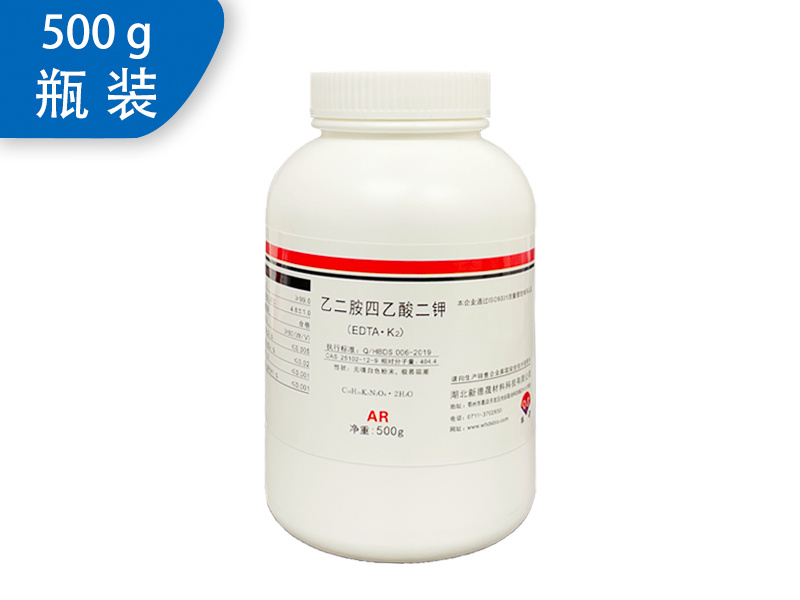
Product packaging
The addition of separation gel and dipotassium EDTA in blood collection tubes plays an important role in HBV-DNA detection. As a manufacturer of blood collection tube additives, Desheng can supply serum separation gel and EDTA dipotassium products. The preparation of blood collection tube manufacturers is convenient and fast, providing technical guidance and answering questions. Its product performance is stable and the price is cheap. If you have any relevant intentions, please feel free to click on the website to inquire about details and purchase at any time!
Previous page
Previous page
Contact details
Contact number
Address: C8, Guanggu United Science and Technology City, Ezhou City, Hubei Province
Fax:0711-3704 589
Follow us
