


Discussion on the problem and solution of short luminescence time of acridine ester
Release time:
2024-10-11
In the broad field of chemiluminescence analysis, acridine ester has attracted much attention as a sensitive luminescent marker due to its properties. However, the luminescence time of acridine esters is short, which is both an advantage and a challenge for their applications. This article aims to explore in depth the reasons for the short luminescence time of acridine esters, the challenges they face, current feasible solutions, and future development directions.
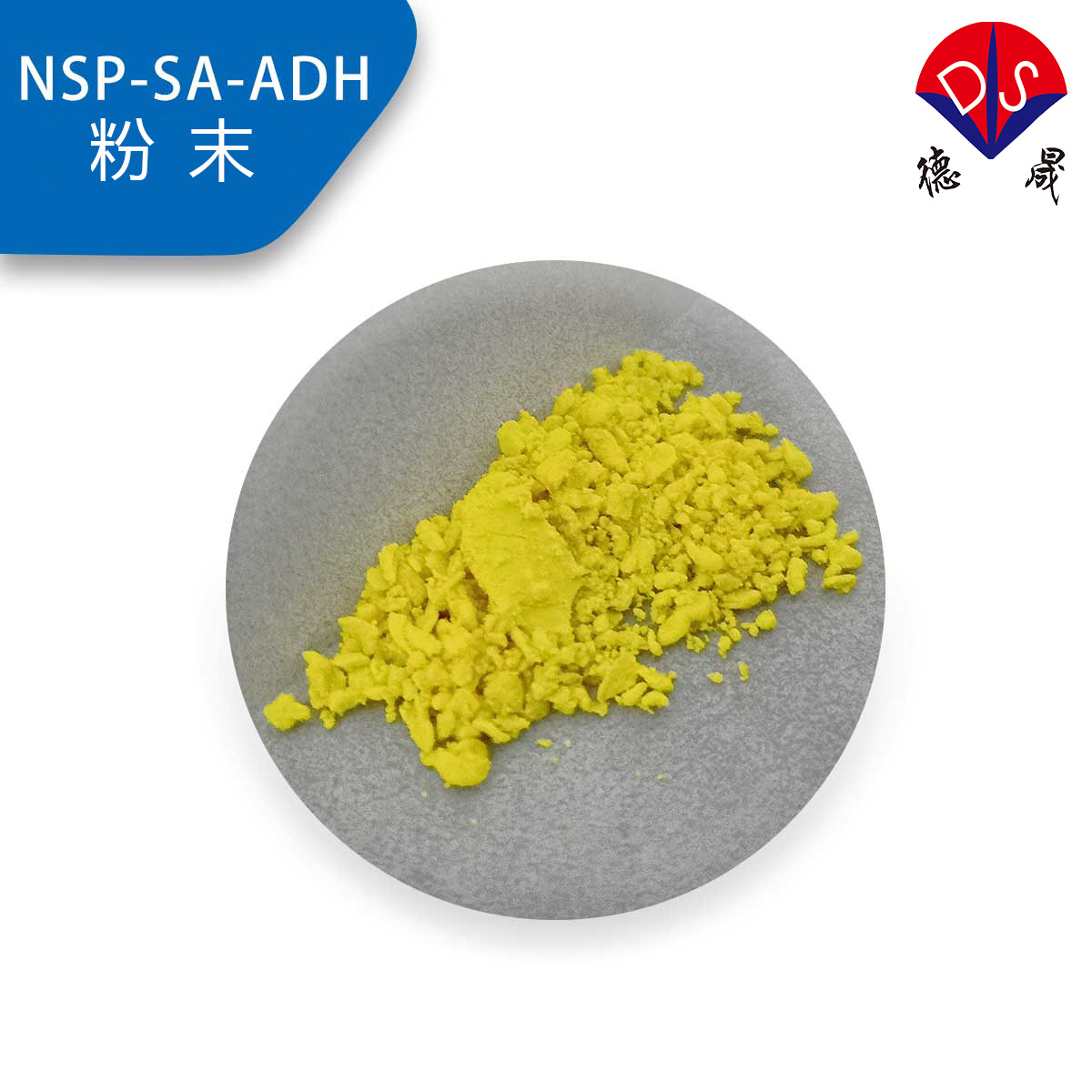
The characteristic of short luminescence time of acridine ester
Acridine ester, as a typical flash type chemiluminescence reagent, has a rapid and brief luminescence process. Compared to glow type luminescent reagents such as luminol, the luminescence time of acridine esters is usually only a few seconds, and may even be shorter under certain conditions. This brief luminescence time makes acridine esters perform well in applications that require immediate detection and high sensitivity, but at the same time, it also poses limitations in situations that require long-term monitoring or continuous measurement.
Challenges Faced
1. Accuracy of experimental operation: Due to the extremely short luminescence time, the experimental operation must be highly accurate to ensure that the signal is captured at the peak of luminescence. This places high demands on the skills of the experimenters and the sensitivity of the equipment.
2. Limitations of real-time monitoring: In applications that require long-term real-time monitoring, the brief luminescence time of acridine esters makes it difficult to meet the requirements. This limits its potential applications in certain biomedical and environmental monitoring fields.
3. Complexity of data processing: Due to the short emission time and rapid changes in signal intensity, data processing and analysis become even more complex. Advanced algorithms and software need to be developed to accurately capture and analyze this data.
Solution
Faced with the challenge of short luminescence time of acridine esters, researchers and engineers have explored a series of solutions to fully utilize their advantages and overcome their limitations.
1. Instant detection technology: By using a highly sensitive photometer and a fast response detection system, the signal can be immediately captured while the acridine ester emits light. This real-time detection technology not only improves the sensitivity and accuracy of detection, but also shortens the detection time.
2. Reaction system optimization: By optimizing the pH value, temperature, ion strength and other conditions of the reaction system, the luminescence kinetics of acridine ester can be adjusted, thereby extending its luminescence time or increasing its luminescence intensity to a certain extent. In addition, selecting appropriate surfactants and buffer systems can also help improve luminescence performance.
3. Chemical structure modification: By introducing specific functional groups or changing the molecular structure, acridine esters can be chemically modified to improve their luminescent properties. For example, introducing electron withdrawing groups can enhance luminescence efficiency, but it may also affect luminescence time. Therefore, various factors need to be comprehensively considered when carrying out chemical modifications.
4. Combining other technologies: Combining acridine esters with other technologies, such as nanomaterials, enzymatic reactions, or electrochemical detection, can further improve the sensitivity and specificity of detection. For example, the catalytic effect of nanomaterials can accelerate chemical reaction rates and prolong luminescence time; Enzymatic reactions can accurately control the luminescence process by controlling the activity of enzymes.

Product packaging
In short, the short luminescence time of acridine ester is both its characteristic and its challenge. By continuously optimizing the reaction system, modifying the chemical structure, combining other technologies, and developing new luminescent materials and detection techniques, we can fully utilize the advantages of acridine esters and overcome their limitations, contributing more to the development of chemiluminescence analysis.
As a supplier of chemiluminescence reagents, Desheng can provide raw material powders with a purity of up to 98%. It is not only easy to prepare, but also has high luminescence rate, sensitive reaction, and favorable price. It is one of the products that many people are enthusiastic about choosing. If you are interested, please feel free to contact us at any time to make a purchase!
Contact details
Contact number
Address: C8, Guanggu United Science and Technology City, Ezhou City, Hubei Province
Fax:0711-3704 589
Follow us
